Scam Crackdown Uncovers $752M Losses, Hong Kong Hit Hardest
Law enforcement agencies from 10 jurisdictions across Asia and beyond have concluded a two-month coordinated crackdown on transnational scam syndicates, uncovering approximately US$752 million in total losses — with Hong Kong accounting for more than 40 per cent of the total, according to results announced on May 20. Operation FRONTIER+ III, which ran from March 10 to May 7, resulted in the arrest of 3,018 individuals and the freezing of nearly 102,000 bank accounts, marking the largest joint anti-scam operation conducted under the FRONTIER+ collaboration platform.
Hong Kong Bears the Brunt
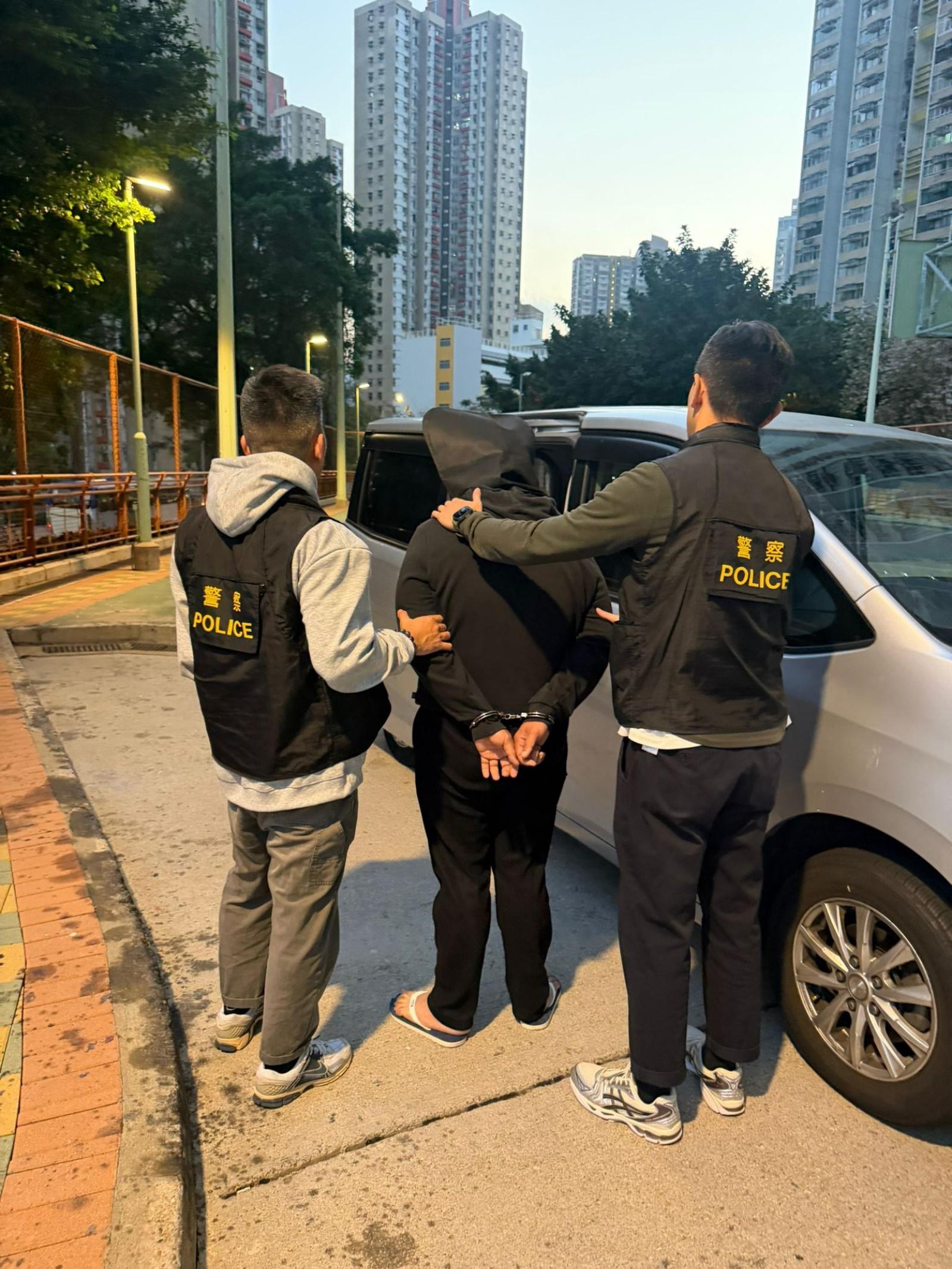
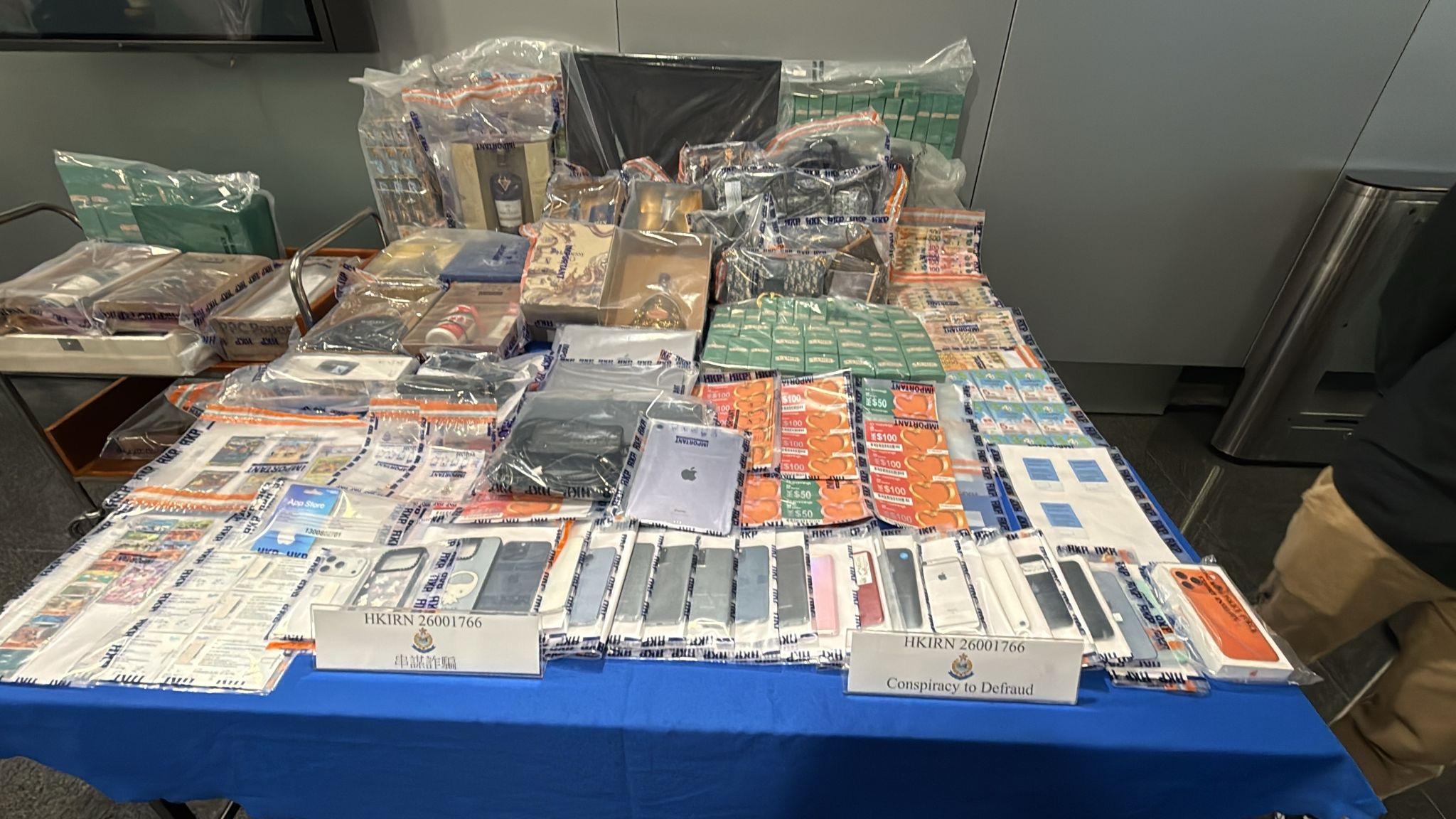
Hong Kong emerged as the hardest-hit jurisdiction, with losses totalling US$319 million — over 40 per cent of the US$752 million uncovered across all participating regions. The South China Morning Post reported that Hong Kong police arrested 870 individuals aged between 13 and 83 across 742 cases, primarily involving online shopping fraud, telephone deception, investment fraud and employment scams. Authorities intercepted approximately HK$539 million in criminal proceeds.
Hong Kong’s position as a global financial hub with sophisticated banking infrastructure makes it a prime target for money laundering and fund routing. Scam proceeds from across Asia are frequently funnelled through Hong Kong bank accounts, and the city’s unique regulatory dynamics as a Special Administrative Region create vulnerabilities that transnational syndicates exploit.
Unprecedented Scale of Enforcement
The operation deployed more than 3,200 officers across 10 participating jurisdictions: Brunei, Canada, Hong Kong SAR, Indonesia, Macao SAR, Malaysia, the Maldives, Singapore, South Korea and Thailand. According to the Singapore Police Force, the coordinated effort targeted a wide range of scam typologies, including e-commerce scams, job scams, investment scams, government official impersonation scams, friend impersonation scams, business email compromise and messaging account takeover scams.
Across all jurisdictions, 7,553 individuals were investigated in connection with over 138,000 scam cases. Law enforcement froze 101,989 bank accounts and intercepted approximately US$161 million in illicit funds.
In Singapore alone, police arrested over 130 individuals and investigated more than 1,000 subjects linked to over 3,000 scam cases involving more than SGD 69.3 million in losses. Singapore authorities froze 2,315 bank accounts and seized SGD 34.9 million, as reported by Channel NewsAsia.
The US$36.3 Million CEO Impersonation Scam
The largest single loss uncovered during the operation involved a Singapore-based company whose CEO was duped into authorising a US$36.3 million transfer. On April 9, the CEO received a WhatsApp call from a scammer posing as the company’s chairman, instructing him to oversee an “acquisition project.” Between April 13 and 17, funds were transferred from the company’s overseas and local bank accounts into two local OCBC accounts.
The deception was uncovered on April 17 after the CEO verified the acquisition with the actual chairman. Singapore’s Anti-Scam Centre swiftly seized US$9.7 million locally, but approximately US$26.5 million had already been wired to Hong Kong. Through coordination with Hong Kong’s Anti-Deception Coordination Centre, authorities seized more than US$11.1 million from Hong Kong bank accounts and associated cryptocurrency wallets. In total, US$20 million was recovered. Two Singaporeans were arrested for facilitating the opening of a corporate bank account to receive the illicit funds.
Notably, approximately half of the stolen money had been converted into stablecoins and distributed across multiple cryptocurrency wallets, highlighting a growing trend of fraud syndicates using virtual asset platforms for money laundering.
Sophisticated Supplier Spoofing
In another case, a Singapore-based commodity trading firm was deceived into transferring US$6.6 million to a fraudulent bank account in Oman. The Straits Times reported that the scammer had altered a domain name by transposing two letters, making the spoofed email address “virtually indistinguishable” from the genuine one. Through coordinated efforts with the UAE Ministry of Interior, Dubai Police, and the Royal Oman Police, the funds were fully recovered.
Cross-Border Collaboration Dismantles Syndicates
Joint operations with Malaysian authorities led to the dismantling of multiple scam networks. On March 17, a raid in Johor Bahru resulted in the arrest of three Malaysians and the seizure of 83 mobile phones, 45 bank tokens, and a computer containing syndicate operating software. Subsequent enforcement actions in Singapore led to the arrest of 18 individuals who had knowingly opened or surrendered bank accounts for monetary gain.
A separate operation on April 7 in Kuala Lumpur saw three Malaysians arrested for operating a government official impersonation scam centre targeting Singapore victims. Authorities seized 17 mobile phones, a computer, a router, and walkie-talkies, along with fake court orders and handwritten notes linking the suspects to fraud. Twenty-two Singapore-based victims had suffered losses exceeding SGD 877,000.
The FRONTIER+ Platform: A Growing Alliance
The FRONTIER+ cross-border anti-scam collaboration platform was established in October 2024 and has since expanded to include anti-scam centres from 14 law enforcement agencies: Singapore, Hong Kong SAR, South Korea, Malaysia, the Maldives, Thailand, Australia, Macao SAR, Canada, Indonesia, Brunei, South Africa, UAE Dubai, and the United States.
Ms Peggy Pao, Director of the Commercial Affairs Department of the Singapore Police Force, said: “Our ability to curb cross-border scams hinges on the depth of the relationships we build with the FRONTIER+ network. When agencies share real-time alerts, pool analytical resources and conduct synchronised raids, this accelerates the identification of illicit fund flows and the dismantling of scam operations.”
What’s Next
The operation sends a strong deterrent message to scam syndicates, but authorities acknowledge that criminals will adapt. The growing use of cryptocurrency for laundering proceeds presents an evolving challenge, and the platform aims to broaden its reach by welcoming new member countries and regions. As Ms Pao noted, “Scammers quickly learn that there is no jurisdiction where they can operate unchecked.”
For the public, authorities urge continued vigilance, particularly when conducting financial transactions involving virtual assets or unfamiliar transfer requests. The Hong Kong government advises residents to use tools such as “Scameter” on the CyberDefender website or call the 24-hour Anti-Scam Helpline at 18222 if in doubt.