Japanese Groups Push for Return of Looted Chinese Relics
Japanese civil society organizations are intensifying pressure on the Japanese government to return Chinese cultural relics looted during wartime, with a particular focus on a 1,300-year-old stele held inside the Imperial Palace grounds. The campaign, led by the China Cultural Relics Return Movement Promotion Association, represents the latest chapter in a decades-long struggle for cultural restitution between the two nations.
On June 20, the Association held a symposium in Tokyo calling on the government to confront its wartime history and return artifacts seized during Japan’s military campaigns in China. According to Xinhua News Agency, the event drew academics, lawyers, and civic leaders who argued that Japan’s continued possession of looted cultural property undermines its international standing and blocks genuine historical reconciliation.
The Tang Honglu Jing Stele: A National Treasure in Exile
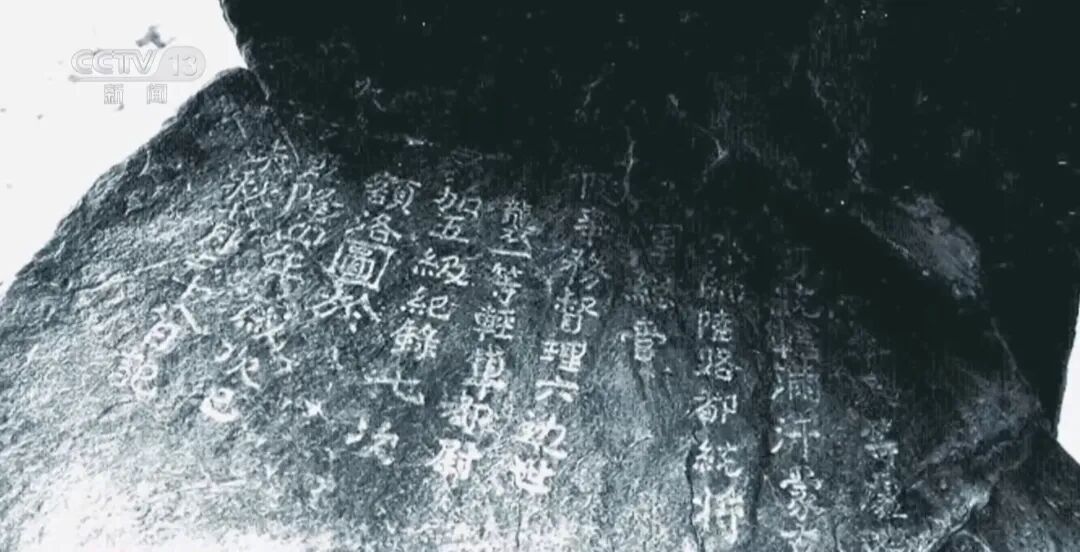
Central to the symposium’s demands is the Tang Honglu Jing Stele (唐鸿胪井碑), a monument erected in 714 CE during China’s Tang Dynasty. The stele commemorates the imperial envoy Cui Xin being dispatched by the Tang central government to confer a title upon the leader of the Mohe ethnic group in Northeast China, serving as a core physical testament to China’s historical territorial sovereignty over the region.
As People’s Daily reported, in 1908, Japanese forces stationed in Lushun (Port Arthur) dismantled the stele and its protective pavilion, shipped them to Japan, and presented them to the Japanese Navy as “war trophies” from the Russo-Japanese War. Today, the stele remains within the Japanese Imperial Palace’s Ken’anfu complex — one of five buildings in the palace dedicated to storing war trophies looted from China.
Escalating Pressure from Civil Society
The June 20 symposium follows a formal diplomatic demand from China in January 2026, which gave Japan 180 days to return looted artifacts. China submitted 368 archival documents as evidence, compiled in the nearly 1.2-million-word “Tang Honglu Jing Stele Archival Documents Collection,” co-edited by Ji Wei and the Shanghai University Overseas Chinese Cultural Relics Research Center.
Association co-representative Igarashi Akira told the symposium that returning cultural relics is “not just about letting lost artifacts return to their homeland, but an important opportunity for Japan to face its aggressive history and settle its historical guilt.” He described the looted artifacts as “physical evidence of Japan’s wars of aggression abroad, constantly proving that Japan has never honestly shouldered its historical responsibility.”
Tokaiji Tsugio, Vice President of the Tokyo Historical Education Association, drew comparisons with European countries that have systematically returned looted artifacts based on reflection on colonial history. “Japan should face history squarely, acknowledge the mistakes it has made, and promote the return of cultural relics based on reflection on these mistakes,” he said, as reported by Xinhua.
Japan’s Legal and Political Obstacles
The Japanese government has consistently failed to respond positively to demands for the stele’s return, employing what critics describe as a “buck-passing” strategy. Authorities claim the artifacts are “state property” requiring parliamentary approval for return, while parliament asserts that the Emperor’s consent is needed. This circular logic has effectively blocked progress.
Odawara Nodoka, a lecturer at Yokohama National University, noted that clarifying the provenance of cultural heritage and determining the original ownership of artifacts is “a universal consensus and basic standard in the field of global cultural heritage protection, yet Japan has long evaded the issue of artifact provenance, violating international standards.”
The Scale of Loss
The issue extends far beyond a single stele. Post-war records in China’s “Wartime Cultural Relics Loss Catalog” document over 3.6 million items of Chinese cultural property lost during wartime, including books, paintings, artifacts, and artworks. As CCTV reported in an in-depth investigation, Japan’s Imperial Palace alone contains five dedicated buildings for war trophies looted from China across multiple conflicts.
Other notable looted items include three stone lions from Sanxue Temple in Haicheng, Liaoning — now standing at Yasukuni Shrine — and four qilin-carved stones from Nanjing’s city wall, now incorporated into Japan’s “Hakkō Ichiu” tower.
Broader Implications for Bilateral Relations
The cultural relic issue is deeply intertwined with broader historical reconciliation between Japan and China. Association founder Ichinose Keiichiro, a Japanese lawyer, directly linked the artifacts’ location in the Imperial Palace to questions about the Emperor’s war responsibility — a deeply sensitive subject in Japanese political discourse.
Duan Yong, Director of the Shanghai University Overseas Chinese Cultural Relics Research Center, expressed confidence in China’s position. “Whether from a legal or moral perspective, we have already secured absolute dominance. Now the most critical factor is Japan’s attitude,” he told CCTV.
What to Watch For
With the 180-day deadline from China’s January diplomatic note approaching, the coming weeks could prove decisive. The Association has vowed to continue pressuring the Japanese government, including efforts to secure access for lawmakers and researchers to inspect the stele inside the Imperial Palace. Whether Japan will respond to mounting domestic and international pressure — or continue its pattern of inaction — remains the central question in this protracted dispute over historical justice and cultural heritage.