Captain Sully Reveals Alzheimer’s Diagnosis with Courage
Captain Chesley “Sully” Sullenberger III, the celebrated pilot who safely landed US Airways Flight 1549 on the Hudson River in 2009, has announced he has been diagnosed with early-stage Alzheimer’s disease. The 75-year-old former airline captain and U.S. Ambassador shared the news on July 14 via a statement on his personal website, describing the diagnosis as “the unwanted visitor at the door.”
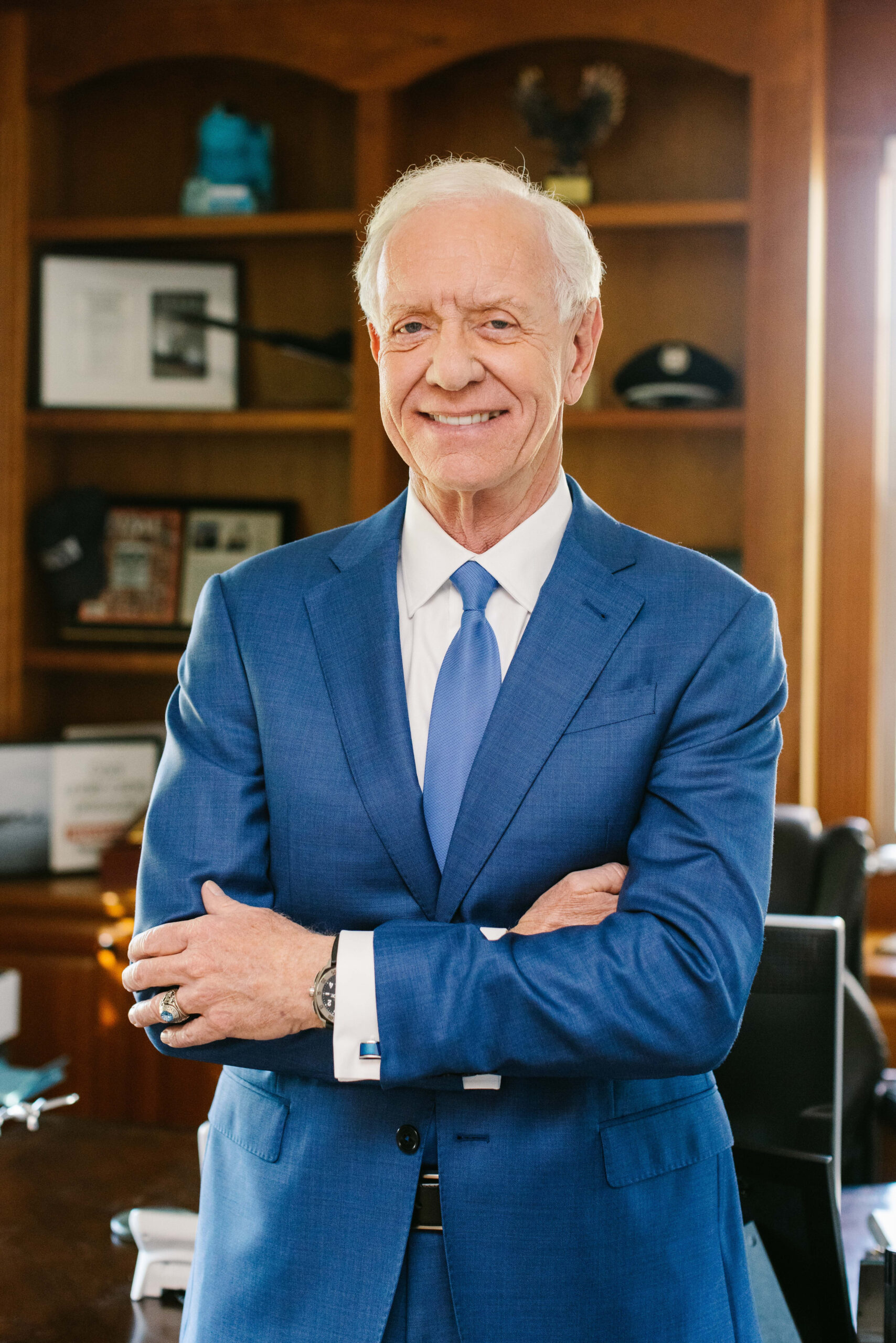
“I recently found out I have been diagnosed with Alzheimer’s Disease. It is early stage,” Sullenberger wrote. “For now, this means a name may not come easily to me, I forget a story I have recently told, or I don’t sleep as well, but I am in the beginning of this long journey.”
A Life of Service
Sullenberger’s announcement is the latest chapter in a life defined by service and composure under pressure. A graduate of the U.S. Air Force Academy, he served as a fighter pilot before embarking on a 30-year commercial aviation career. His defining moment came on January 15, 2009, when he and co-pilot Jeffrey Skiles executed an emergency water landing on the Hudson River after a bird strike disabled both engines of US Airways Flight 1549. All 150 passengers and 5 crew members survived — an event that became known as the “Miracle on the Hudson.”
According to BBC News, Sullenberger’s quick thinking and calm demeanour were credited with averting disaster. He retired from commercial flying in 2010 and went on to serve as U.S. Ambassador to the International Civil Aviation Organization in 2022. He is scheduled to be inducted into the National Aviation Hall of Fame in September 2026.
Speaking Up to Destigmatize
Sullenberger framed his decision to go public as an extension of his lifelong commitment to service. “So this new phase of my life has challenged what it means to be of service,” he said. “And the answer is to speak up. It is my hope that by sharing this, other families living in the shadows with this disease will feel they too can step forward.”
His doctor, Dr. Gil Rabinovici at UCSF Medical Center, informed Sullenberger about the prevalence of Alzheimer’s, noting it spares no age group and impacts millions worldwide. The Alzheimer’s Association reports that more than 7 million Americans aged 65 or older live with the disease, while an estimated 200,000 younger Americans are also affected. The CDC identifies Alzheimer’s as the most common form of dementia and the seventh-leading cause of death among U.S. adults.
A Growing Trend of Public Disclosures
Sullenberger joins a growing list of prominent figures who have publicly shared Alzheimer’s diagnoses in recent months, including actor Danny Glover and veteran New York news anchor Bill Ritter, as ABC News reported. The Alzheimer’s Foundation of America praised Sullenberger’s decision, stating it will help raise awareness, reduce stigma, and show support for affected families.
Courage in a New Form
In an NPR opinion piece published July 18, host Scott Simon drew a direct line between Sullenberger’s heroism on the Hudson and his current battle. “The courage Sullenberger wants to summon now is personal and intimate and unfolds in millions of families every day,” Simon wrote. “Chesley Sullenberger is still the captain speaking.”
Sullenberger himself invoked the same language that defined his legacy. “Over the years, when people would ask about the successful outcome of Flight 1549, I would say that ‘courage can be contagious,’ and on that day it helped everyone band together to get everyone off that airplane successfully,” he wrote. “Now we need that courage to battle this disease. I am now part of a larger community with many of you, and we will be courageous together.”
Looking Forward
Despite the diagnosis, Sullenberger struck a resolute tone. “Though it may impact my memory of the past, this diagnosis will not prevent me from looking forward to and appreciating our future,” he wrote, expressing gratitude for his wife Lorrie, his partner of 37 years, and their family.
His upcoming induction into the National Aviation Hall of Fame in September will serve as a reminder of a career that transformed American aviation safety — and a legacy of courage that now takes on new meaning.

As Sullenberger wrote in his statement: “Lorrie, my incredible partner of 37 years, says we can all use a little of that hope right now.”