Public Media Survives One Year After Loss of Federal Funds
One year ago, President Trump signed into law a bill stripping nearly all federal funding from public broadcasting, ending nearly six decades of bipartisan support for NPR, PBS, and the Corporation for Public Broadcasting (CPB). A year later, the system has survived — but not without deep wounds, hard-won adaptation, and unanswered questions about the future.
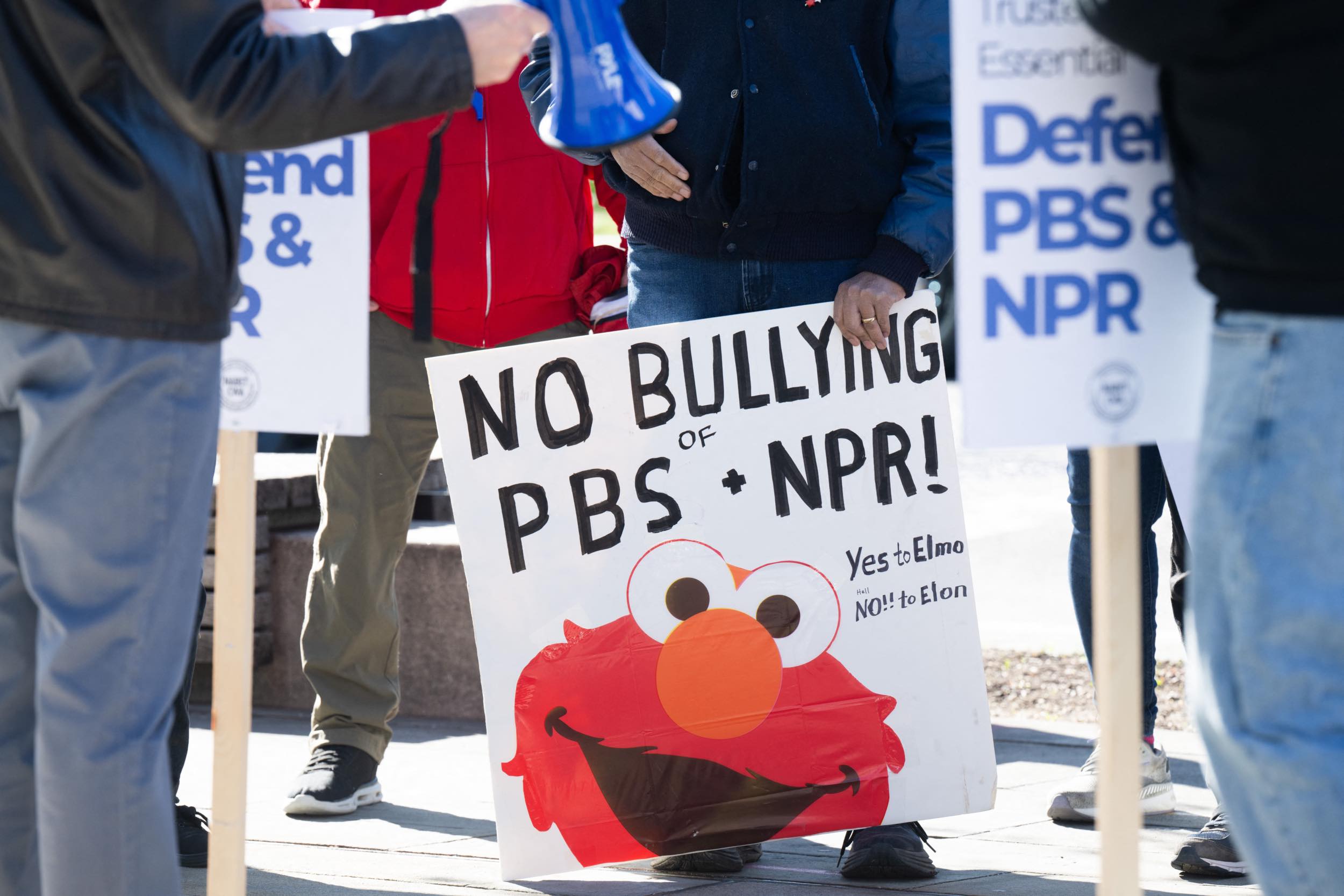
According to NPR, more than 500 public media staffers have been laid off nationwide. PBS cut 15% of its workforce. NPR reduced staff by about 4% through buyouts. The CPB, established in 1967 to funnel federal funds to local stations, dissolved entirely after distributing its remaining money.
How the Defunding Happened
The attack on public media came in two waves. In May 2025, Trump issued an executive order directing all federal agencies to stop funding NPR and PBS, calling their coverage “left-wing propaganda.” Two months later, Congress passed the Rescissions Act of 2025, clawing back the entire CPB budget of $1.1 billion for fiscal years 2026 and 2027. Trump signed it into law on July 18, 2025.
In March 2026, Federal Judge Randolph Moss ruled the executive order unconstitutional, finding it violated the First Amendment’s Free Speech Clause through “viewpoint discrimination and retaliation.” The White House dismissed the ruling as “ridiculous.” But the decision did not restore the funding cut by Congress, and federal agencies remain unlikely to resume payments under the current administration.
Rage-Giving and Reinvention
What followed surprised even station executives. An outpouring of listener-driven donations — dubbed “white-hot rage-giving” by South Dakota Public Broadcasting Foundation CEO Ryan Howlett — helped fill the gap.
In South Dakota, SDPB canceled its weekly public affairs show “In the Moment” and laid off seven of its 11 journalists, including host Lori Walsh. But listeners responded with a record $8 million haul. Walsh was rehired as a podcaster, producing a daily segment for Morning Edition. “I do think people miss the full ‘kitchen table’ experience,” Walsh said. “But now we have a breakfast nook where you start your day with a key conversation.”
At KSUT, a rural tribal radio station serving the Four Corners region of Colorado, listeners helped raise enough money for solar panels — saving $43,000 a year — and established the station’s first $100,000 endowment. Executive Director Tami Graham said the station has not had to make any cuts.
WNIN in Evansville, Indiana, suffered the hardest blow. The station lost both state and federal funding, a combined $1.5 million — roughly half its budget. It laid off 20% of staff and some shows went dark. Yet members contributed more than $1 million, about 40% more than usual, and the station expects to end the year with a surplus for the first time in five years. Indiana Governor Mike Braun, a Republican, has signaled openness to restoring state funding.
Even well-positioned stations felt the pain. KCRW in Los Angeles, where federal funding was only 5% of the budget, still cut 10% of its staff. President Jennifer Ferro said support is “starting to float back down to where it was before.”
A Fragile Stability
NPR received two of the largest gifts in its history: $80 million from philanthropist Connie Ballmer for digital transformation and $33 million from an anonymous donor for station relief. The network slashed the fees it charges member stations and now counts 242 members — only two fewer than before the crisis.
But the long-term outlook remains uncertain. Protect My Public Media reports that roughly 15% of stations — about 65 of 433 — remain at risk of closing within three years. One-time gifts and bridge funds do not replace permanent federal funding. And the CPB, which provided essential coordination and infrastructure, no longer exists.
What Comes Next
The survival of public media now depends on whether the surge in donations can be sustained as the political moment recedes. Some conservative critics argue that those who value public media should pay for it themselves — and the experiment of the past year has partly proven them right. But as AEI Senior Fellow Howard Husock, a former Republican CPB board member, cautioned, defunding will “deeply harm journalism — especially local journalism.”
For the stations that have made it through the first year, the focus has shifted from crisis management to reinvention. As KCRW’s Ferro put it, stations are transforming with podcasts, newsletters, events, and new digital services. Whether that will be enough to secure public media’s future — without the federal safety net that held for nearly six decades — is the question the second year will begin to answer.