C919 Plateau Variant Achieves First Flight Milestone
China’s domestically produced C919-600 plateau variant successfully completed its maiden flight test at Shanghai Pudong International Airport on July 29, 2026, marking a major step forward in the serialized development of COMAC’s commercial aircraft family.
According to Xinhua News, the aircraft—registered as B-002U—performed takeoff and landing operations and completed all scheduled test subjects during the flight. COMAC confirmed that the flight validated the variant’s design modifications aimed at enabling operations in challenging high-altitude environments.
A Modified Design for High-Altitude Operations
The C919-600, also referred to as the “plateau variant,” is based on the standard C919-100 model but incorporates several key design changes. COMAC shortened the fuselage by removing six frames, reducing passenger capacity from 158–192 seats to an estimated 140–160 seats, with a target range of approximately 3,000 km. The variant also features enhanced system functionalities tailored to “hot and high” conditions, where thinner air reduces engine thrust and aerodynamic lift.
The Global Times reported that the successful flight “marks an important step in the serialized development of the C919 program.” The plateau variant is designed to operate at airports situated at altitudes of 2,438 meters or higher—a category that includes 25 airports in China alone, more than half of such facilities worldwide.
China has the world’s highest concentration of ultra high-altitude airports, including Daocheng Yading Airport in Sichuan province at 4,411 meters above sea level and Qamdo Airport at 4,311 meters. These airports currently rely primarily on specially modified Airbus A319s, positioning the C919-600 as a direct competitor to the A319neo.
Development Timeline and Commercial Prospects
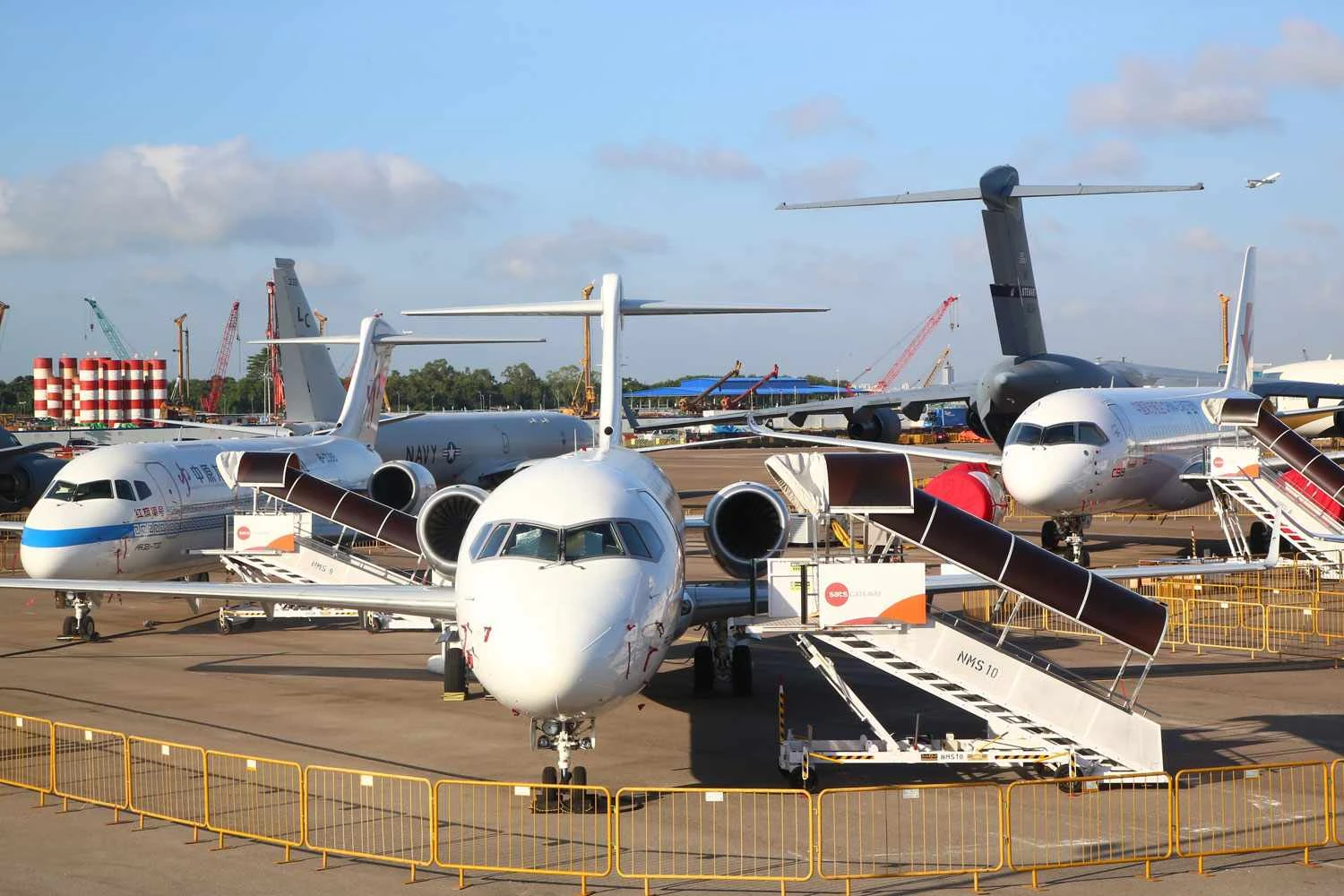
The plateau variant’s journey from announcement to first flight has been swift. COMAC and Tibet Airlines signed an agreement to develop the variant in November 2023. In February 2024, Tibet Airlines placed a firm order for 40 C919-600s at the Singapore Airshow, becoming the launch customer. The standard C919 conducted high-altitude test flights at Lhasa Gonggar International Airport in September 2024, verifying its adaptability to ultra high-altitude airports.
Aerospace Global News noted that the C919-600 began taxiing tests at Shanghai Pudong in June 2026, just weeks before the first flight. The accelerated development pace suggests COMAC is prioritizing the program to meet growing domestic demand for high-altitude-capable aircraft.
Analyst Lin Zhijie told China Daily that “China has the world’s largest demand for high-altitude aircraft operations,” adding that “the plateau variant of the C919 is of great significance for meeting the travel demand of passengers in high-altitude regions of China.”
Strategic Implications
The C919 plateau variant represents more than just a technical achievement—it is a strategic asset for China’s aviation industry. By developing a homegrown alternative to the Airbus A319neo, COMAC reduces China’s reliance on foreign manufacturers for aircraft serving the country’s extensive high-altitude route network.
The program also demonstrates COMAC’s growing maturity as an aircraft manufacturer. The ability to produce variant models—shortened, stretched, or specialized—is a hallmark of established OEMs like Airbus and Boeing. COMAC is also developing the stretched C919-800 variant with China Eastern Airlines.
Improved air connectivity to Tibet and other high-altitude regions supports economic development, tourism, and regional integration across western China. For Tibet Airlines, based at Lhasa Gonggar International Airport at 3,569 meters elevation, the C919-600 will provide a Chinese-made alternative to its current fleet of Airbus A319s.
Challenges Ahead
Despite the successful first flight, significant hurdles remain before the C919-600 enters commercial service, currently projected for 2028. Certification for high-altitude operations requires rigorous testing of engine performance at extreme altitudes and validating systems in low-oxygen environments.
Export prospects face additional constraints. The C919 family has not yet secured certification from either the European Union Aviation Safety Agency or the US Federal Aviation Administration, limiting its potential in international markets. However, the aircraft could find customers in neighboring countries with high-altitude airports, including Nepal, Bhutan, and Bolivia.
What’s Next
COMAC is expected to continue flight testing the C919-600 over the coming months, with a focus on validating performance at progressively higher altitudes. Tibet Airlines’ order for 40 aircraft provides a strong launch base, and additional orders from other Chinese carriers serving high-altitude routes are anticipated.
The success of the C919 plateau variant will be closely watched as a bellwether for China’s broader ambitions in commercial aerospace—a sector where it aims to challenge the long-standing duopoly of Airbus and Boeing.