Nebraska Begins Medicaid Disenrollments Under New Work Rules
On Aug. 1, Nebraska is set to become the first state in the nation to remove people from Medicaid for failing to meet new work requirements created by President Trump’s 2025 health law. Roughly 200 residents are expected to lose coverage, according to NPR, making the state the first real-world test of the biggest change to Medicaid since the Affordable Care Act.
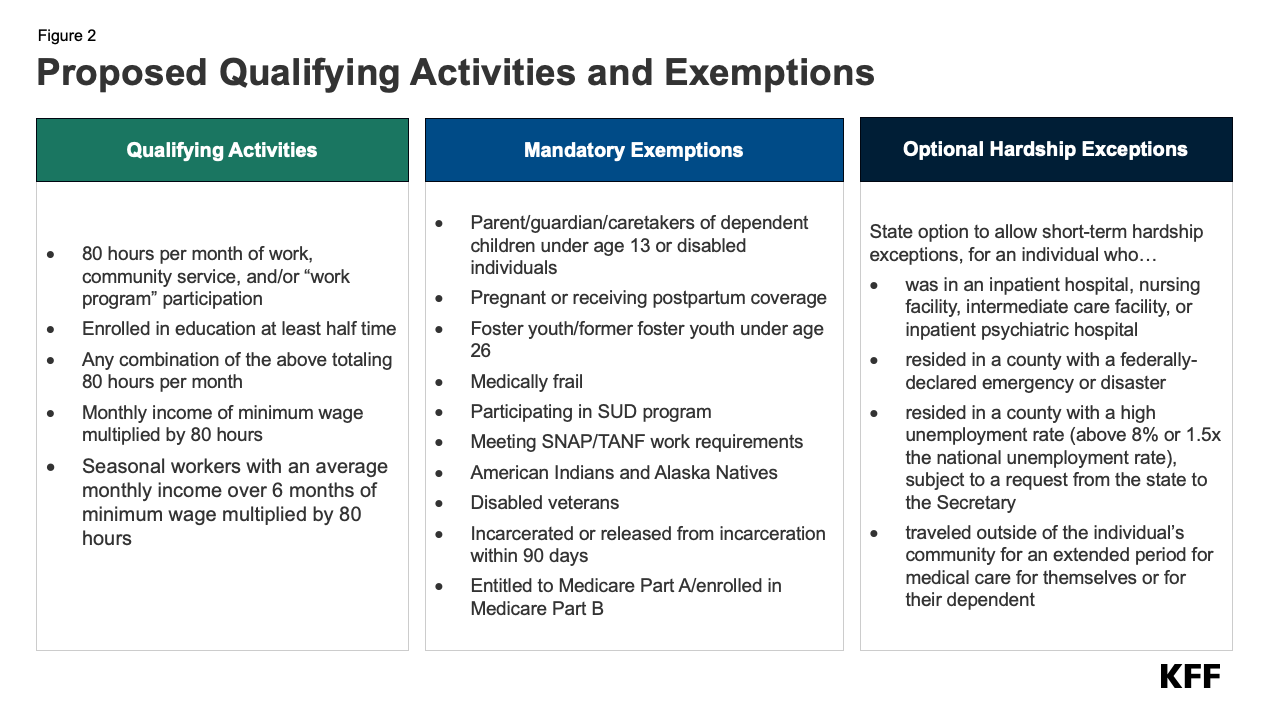
The requirements come from the One Big Beautiful Bill Act (H.R. 1), a budget reconciliation law signed by Trump on July 4, 2025. Under the rules, Medicaid expansion enrollees aged 19 to 64 must work, volunteer, attend school, or participate in job training for at least 80 hours a month; earning at least $580 a month also counts as compliant. Exemptions cover people who are disabled or medically frail, parents and caretakers of children 13 and under, and individuals who are pregnant or postpartum, according to Nebraska Public Media.
About 70,000 Nebraskans are subject to the requirements — a subset of the roughly 112,600 people enrolled in the state’s Heritage Health Adult expansion program, which voters approved in 2018. Nebraska launched early: verification began May 1, ahead of the Jan. 1, 2027 federal deadline that will eventually apply to about 20 million people in 44 states, according to KFF.
Nebraska’s Medicaid director, Drew Gonshorowski, has said the state is uniquely positioned for early implementation because it owns its eligibility system. In an interview with Tradeoffs, he said the state can automatically verify whether about 74% of affected members are working, volunteering, or studying without asking them to submit paperwork. “It is an opportunity to build something that can reach out a hand to our membership,” he said. “Why wait?” He said the state reviews denials multiple times to avoid pushing eligible people off the rolls.
The state has mounted a broad outreach campaign — more than 75,000 letters, 38,000 text messages, 10,000 emails, radio and TV ads, and 15 to 20 community meetings. But advocates say many enrollees still don’t understand the rules. “A vast majority of Nebraskans are working or would meet an exemption, but it is the red tape that’s what causes the problems and really causes people to lose coverage,” said Sara Maresh, healthcare access program director at Nebraska Appleseed. Even the state’s help line has struggled: Tradeoffs testers encountered long waits, a dropped call, and problems reaching the Spanish-language line, though state officials say average wait times are around 10 minutes.
Concerns are especially acute for people with chronic conditions who may qualify as “medically frail.” Nebraska released a list of medical codes for the exemption — more than 300 pages — just days before the rules took effect, and advocates say it has gaps, including some cancers, heart failure, and HIV codes, as STAT News reported. Meanwhile, the legal fight over the requirements continues. Twenty-five states and Washington, D.C., sued the Trump administration over the rule, but on July 29 U.S. District Judge Richard Stearns rejected their bid to pause implementation, Healthcare Dive reported. The case will continue.
The Nebraska experience is being watched closely because of what happened the last time states tried work requirements. Arkansas’s 2018 experiment led to about 18,000 people losing coverage with no measurable increase in employment; many enrollees were unaware of the rules or were stymied by paperwork. National projections for the new requirements range from 3 million to 8.6 million people losing Medicaid by 2028. In Nebraska, estimates vary widely — from about 30,000 anticipated coverage losses in NPR’s reporting to 28,000-41,000 from the Center on Budget and Policy Priorities.
Supporters counter that the rules will push people out of poverty and save the federal government an estimated $326 billion over 10 years, the largest source of savings in the law. Gov. Jim Pillen, a Republican who championed early implementation alongside CMS Administrator Dr. Mehmet Oz, has called the policy “a hand up, not a handout.” Gonshorowski argues Nebraska’s data advantages make it a poor template for states with older eligibility systems, which could see higher rates of improper disenrollment as the national deadline approaches.
For now, the clearest signal of whether Nebraska got the process right will be appeals. Gonshorowski called fair hearings “the ultimate bellwether on whether or not you got your process right on implementation” — “the thing that keeps me up at night.” Other early states, including Montana, which began its rollout July 1, and Iowa, which plans to follow in December, will be watching closely. With the federal court case unresolved and Arkansas scheduled to begin disenrollments in January, the decisions made in Nebraska over the coming weeks will shape how the rest of the country experiences the most significant Medicaid change in a decade.