New Mexico Sues DOJ, Blanche Over Blocked Epstein Probe
The state of New Mexico has filed a lawsuit against the U.S. Department of Justice and acting Attorney General Todd Blanche, accusing the federal government of blocking its criminal investigation into sex crimes at Jeffrey Epstein’s former Zorro Ranch near Santa Fe. The 40-page complaint, filed Wednesday in the U.S. District Court for the District of Columbia, alleges the DOJ has “stonewalled” state investigators and taken action that “harms victims and undermines the public interest,” according to AP News.
Context: A Decade of Missed Opportunities
New Mexico Attorney General Raul Torrez argues the lawsuit stems from a broken promise. In 2019, the state agreed to stand down on Epstein-related investigations at the request of federal prosecutors in New York, who pledged to share information about state crimes. Torrez alleges the DOJ never upheld its end of the bargain, leaving the state without access to critical evidence for years.
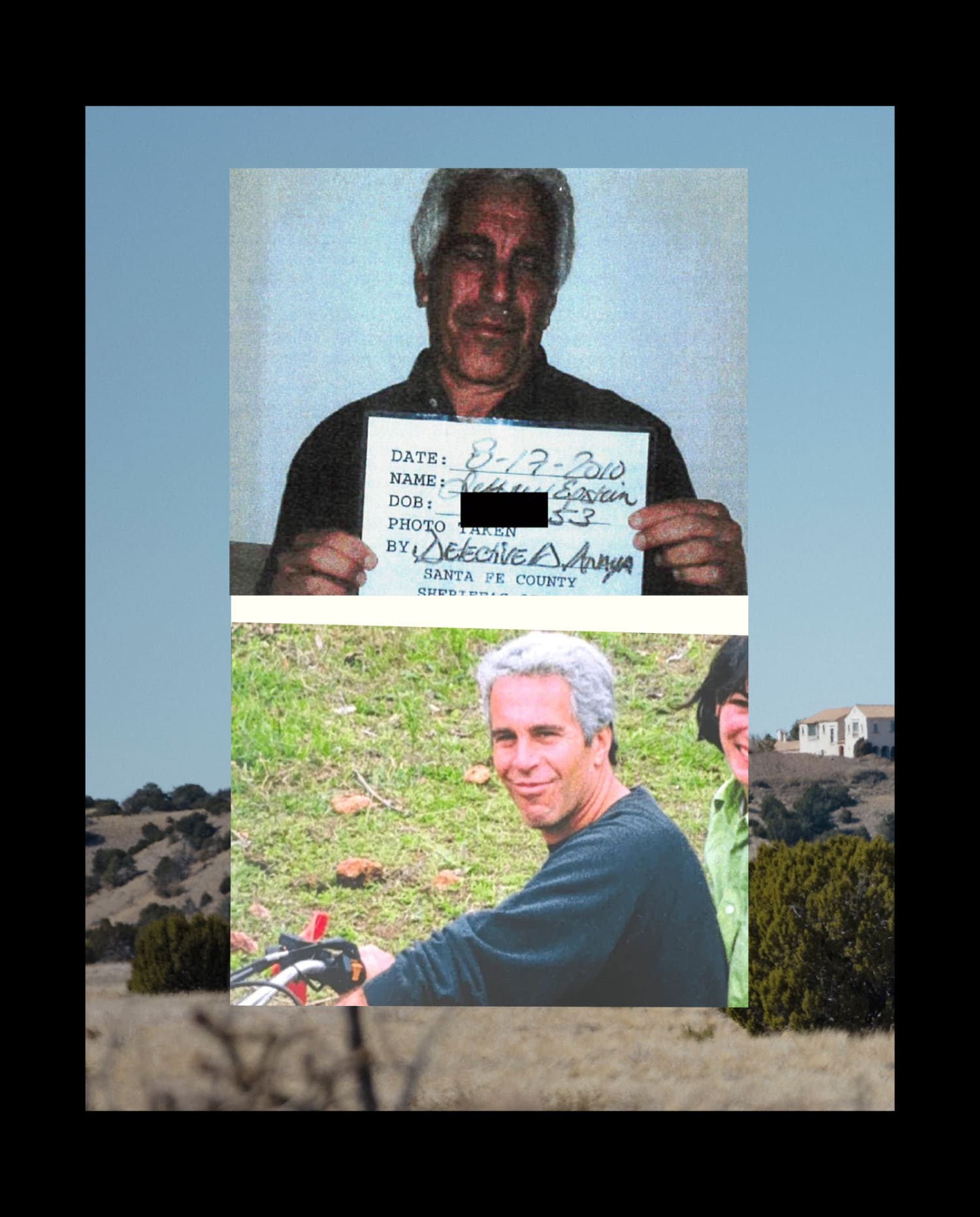
Epstein purchased the roughly 7,621-acre property in Stanley, New Mexico, about 30 miles south of Santa Fe, in 1993 from former Democratic Gov. Bruce King. He built a hilltop mansion with a private airstrip and helipad, and the compound grew into a sprawling estate with guesthouses, a shooting range, and a vintage rail caboose. The publicly released Epstein files contain more than 13,000 references to Zorro Ranch and roughly 5,000 references to New Mexico as a location “where victims were trafficked, groomed, and assaulted,” as NBC News reported.
Federal law enforcement never searched the ranch, according to the lawsuit. New Mexico conducted its first law enforcement search of the property on March 9, 2026, nearly seven years after Epstein’s death.
The Legal Confrontation
Torrez said his office made 10 separate requests for key information that were ignored or denied. In a letter to Blanche dated June 30, Torrez wrote that the DOJ’s continued withholding of unredacted records “is causing real and escalating harm” to the state’s criminal investigation, noting that “more than 130 days have now elapsed since the NMDOJ’s initial request,” as JURIST reported.
“We have heard repeatedly they will cooperate and what our team has experienced is anything but cooperation,” Torrez told reporters in a video call, according to Courthouse News Service. “Todd Blanche today with a stroke of a pen could grant us the access that he claimed. Instead they have decided to stonewall, to obstruct and to frankly conceal for whatever reason.”
The Justice Department defended its position, saying federal court orders ban disclosing “victim-identifying information carte blanche” and that New Mexico “has provided no lawful basis to justify such sweeping disclosures.” The department said it “remains available to assist New Mexico’s investigation consistent with the law and binding court orders.”
Survivors’ Truth Commission Findings
The lawsuit was filed the same day the New Mexico Survivors’ Truth Commission released its interim report, finding that at least five women and girls were sexually abused at Zorro Ranch between 1996 and 2012, with at least 30 more people potentially abused in New Mexico. The bipartisan commission, created by the state House of Representatives in February, also documented 227 flights to or from Albuquerque and Santa Fe on Epstein’s aircraft between 1992 and 2019, according to KOB 4.
Rachel Benavidez, an Epstein accuser who testified before the commission, said Epstein’s connections with powerful people in the state allowed him to “roam free here in New Mexico unchecked” after he was convicted of sex crimes elsewhere. “We don’t need more paper files sitting as artifacts,” she said.
Analysis: A Test of Federal-State Cooperation
The lawsuit represents a significant legal confrontation over access to information in the Epstein investigation. Torrez argues the DOJ is hiding information about Epstein and his co-conspirators when New Mexico “is one of the few jurisdictions that still may have an opportunity to hold Epstein’s associates accountable or otherwise provide some sense of justice to survivors,” as Al Jazeera reported.
The case also highlights the broader pattern of federal inaction on Epstein’s New Mexico activities. The DOJ began releasing Epstein investigative records in December 2025 in accordance with the Epstein Files Transparency Act, but accusers and members of Congress complained about shoddy redactions and too many sealed materials. In June, U.S. District Judge Emmet Sullivan determined the DOJ had effectively conceded it violated the act in a related FOIA lawsuit.
What’s Next
The lawsuit seeks judicial intervention to force the federal government to turn over unredacted materials to New Mexico’s investigators. The commission’s final report is due December 31, 2026. Epstein victims’ groups have accused Blanche’s DOJ of “continuing to protect abusers” by withholding the information sought by New Mexico, according to The Guardian.
The property, sold by Epstein’s estate in 2023 to the family of Don Huffines, has been renamed San Rafael Ranch. As the legal battle unfolds, the question of whether New Mexico will finally gain access to the records it says it needs to deliver justice for Epstein’s survivors remains open.