105 kg Cocaine Seized in Antwerp Port, Hidden in Cargo
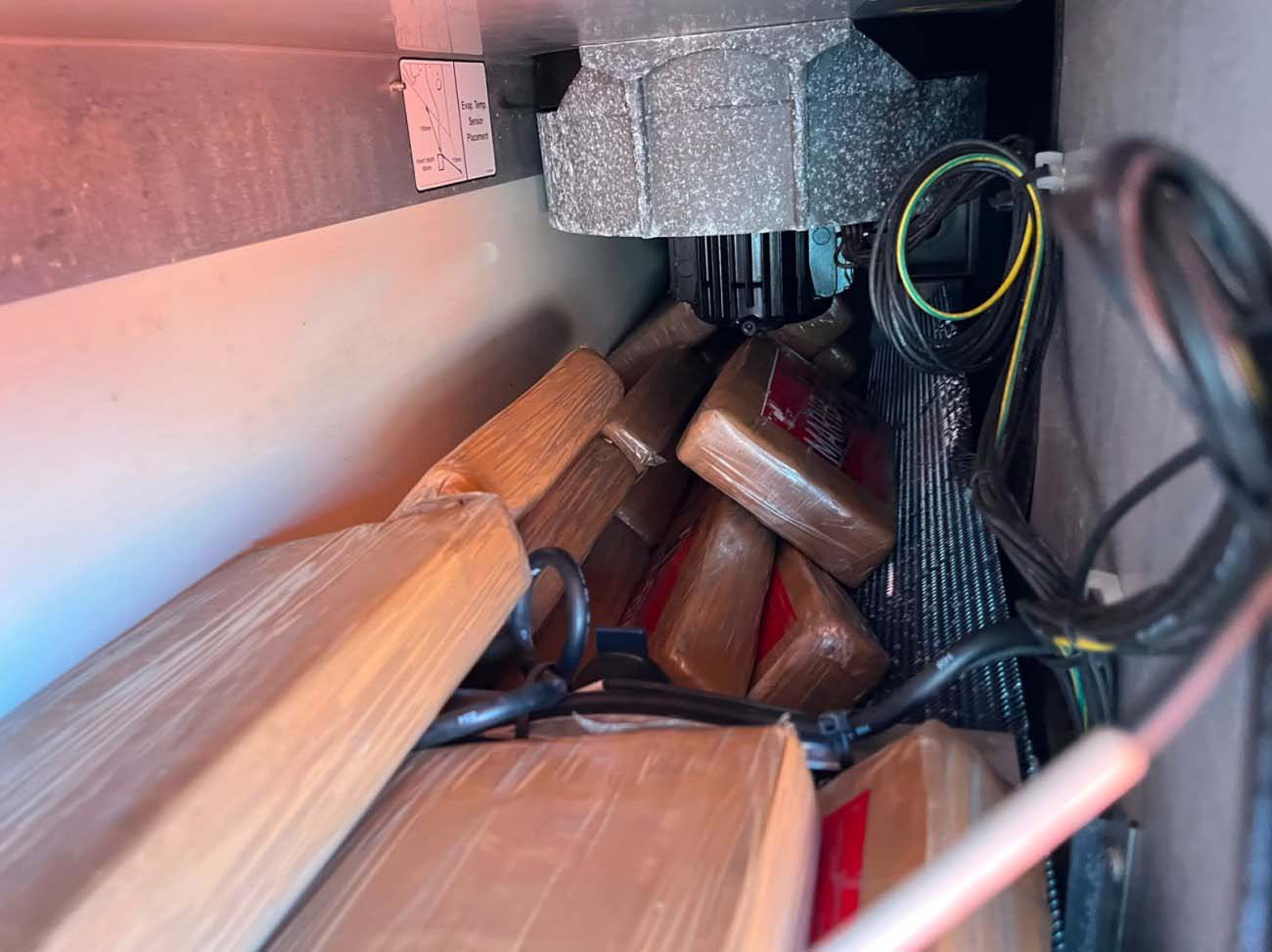
Belgian customs authorities intercepted 105.4 kilograms of cocaine in the Port of Antwerp on Monday, August 10, according to Het Laatste Nieuws. The drugs were discovered hidden in two separate refrigerated compartments at quay 730, with the shipment arriving on a vessel originating from Panama.
The seizure was split across two nearly equal packages concealed within different cargo types. Customs officers found 52.4 kilograms of cocaine in a compartment containing bananas, while a second refrigerated compartment holding frozen meat contained 52.64 kilograms. The confiscated drugs are scheduled to be destroyed, though no information has been released regarding arrests or an ongoing investigation into those responsible for the smuggling operation.
A Port Under Persistent Pressure
The Port of Antwerp has long been recognized as one of Europe’s primary entry points for cocaine trafficking. While this latest seizure is relatively modest compared to the multi-ton hauls that have historically been intercepted there, it fits a broader pattern of criminal networks adapting their methods to evade detection.
According to VRT NWS, Belgian customs intercepted only 5.4 tons of cocaine in the Antwerp port during the first half of 2026 — a dramatic decrease from the 16.7 tons seized during the same period in 2025. The number of seizure dossiers also dropped from 82 to 28. However, the average amount per seizure remained stable at approximately 193 kilograms per dossier, indicating that smugglers continue to split shipments into smaller loads to reduce risk.
The so-called “rip-off method” — hiding drugs within legitimate cargo without the knowledge of sender or receiver — remains the most common smuggling technique, consistent with this latest discovery concealed among bananas and frozen meat.
Shifting Routes and New Trends
The origin of this shipment from Panama is notable, as Panama ranks among the main countries of origin for intercepted cocaine in 2026, alongside Guyana, Ecuador, Costa Rica, and Colombia. Belgian authorities have responded by strengthening international cooperation, including a Joint Declaration signed with Panama involving Belgium, the Netherlands, and France.
Customs officials have also identified emerging smuggling trends. VRT NWS reported that criminal organizations are increasingly transferring cocaine at sea from large cargo ships to smaller vessels, or throwing packages overboard for later pickup. Authorities have also noted increasingly creative concealment methods, including drugs hidden in fake bananas, liquid soft drinks, cooling compartments, and even the structure of shipping pallets.
Enforcement Efforts Intensify
Belgian customs has been investing heavily in enforcement capabilities. In 2025, customs scanned 72,500 risk containers in the Antwerp port, with a strategic goal of increasing that number to 350,000–400,000 risk containers per year. The country has also signed new action plans with Peru and established a customs attaché post in Washington from 2026.
A new collaboration agreement with Canada was signed in early June 2026 to strengthen information exchange and joint actions against international drug trafficking. Additionally, police made a record 207 drug-related arrests in the port during 2025, the majority being “uithalers” (drug extractors), including 41 minors.
The 2025 annual figures show the scale of the challenge: approximately 55 tons of cocaine were intercepted in the Antwerp port that year, a 24% increase from 2024, according to Transport Online. This followed a record 120+ tons seized in 2023 and a historic decline to roughly 44 tons in 2024.
What This Seizure Means
While the 105.4-kilogram interception represents a relatively small fraction of the port’s annual totals, it underscores the persistent challenge facing customs authorities. The nearly equal split between two different cargo compartments suggests a deliberate strategy to hedge against detection — if one compartment were flagged, the other might still pass through.
The fact that the drugs arrived from Panama, a country with which Belgium has recently strengthened cooperation, also highlights how enforcement partnerships and trafficking routes are constantly evolving in tandem. As customs authorities continue to expand scanning capacity and international collaboration, seizures like this one serve as both a measure of progress and a reminder of the scale of the problem.
What to Watch For
Authorities have not disclosed whether arrests have been made or whether an investigation is underway. The coming months will show whether the declining seizure figures from the first half of 2026 represent a genuine shift in trafficking patterns or merely a temporary lull as criminal networks adapt their routes and methods. The expansion of container scanning capacity and continued international cooperation will be key indicators of Belgium’s ability to stay ahead of the traffickers.