Knokke Beach Bar Takes Legal Action Over Lost Permit
The owners of Lekkerbek Beach, a family-run beach bar in the exclusive Het Zoute district of Knokke-Heist, are taking legal action against the municipality’s decision to deny them a new concession for the 2027-2035 period. Owner Alain Coudeville says colleagues who also lost their concessions will likely follow suit with challenges before the Council of State, as dissatisfaction grows among beach bar operators across the Belgian coastal resort.
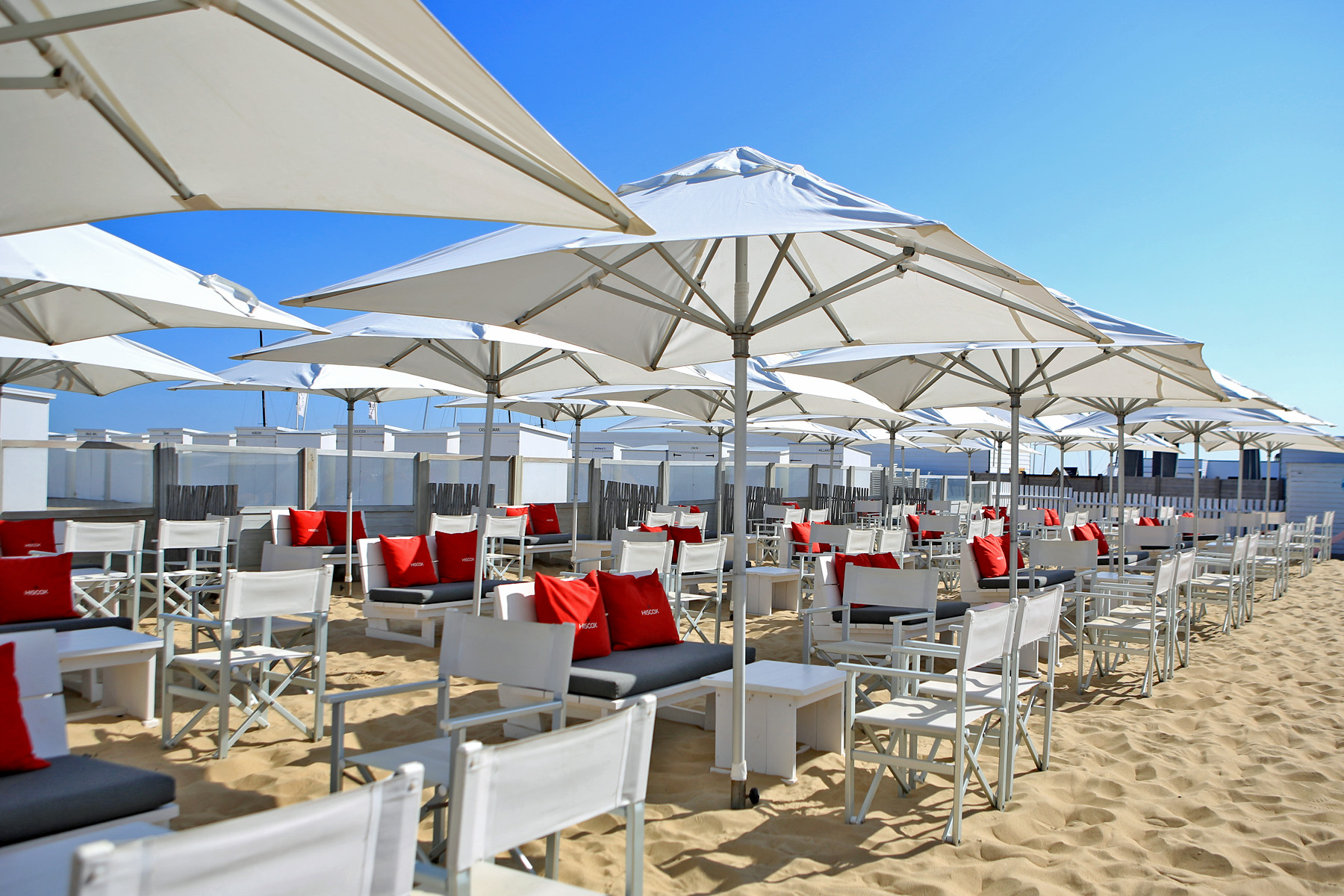
A Family Legacy at Risk
Lekkerbek Beach has been operated by the same family for 39 years. Coudeville took over the business from his parents, and his own son has worked there for a decade. The news that their concession would not be renewed came as a shock. “We’ve been on the beach for 39 years,” Coudeville told VRT NWS. “I took over the business from my parents and my own son has been working here for 10 years. And now it all stops suddenly. That hits hard.”
The family says they were confident in their candidacy. “We are the only beach bar without music,” Coudeville explained. “The richest clients of Knokke come here. Those people want peace and discretion, and we guarantee that. But according to the jury, we don’t fit the DNA of Het Zoute.”
Six Operators Lose Their Concessions
The new concession awards, announced on 28 August, cover 25 beach bar and children’s playground concessions for the period 2027-2035. Thirty-six candidates submitted dossiers for the available spots. Six established operators lost their concessions: Beaufort, Albertstrand, Yssi’s Beach, Beach Number One, Lekkerbek Beach, and Blue Buddha Beach, as reported by VRT NWS.
Albertstrand is the most notable casualty—the family-run establishment had been operating for exactly 100 years. The loss has sparked significant controversy in the coastal municipality, with widespread criticism on social media and from local residents. One hospitality businessman from Knokke-Heist described the situation to VoetbalNieuws as “chaos,” saying he “didn’t sleep over it.”
The Coucke Factor
Prominent Belgian entrepreneur Marc Coucke secured a concession for Woyo Beach in Het Zoute through his investment vehicle ZouteCoucke, partnering with local entrepreneurs Ellen De Beck and Jonasi Deetens. Coucke’s involvement has become a lightning rod for criticism, though data shows a more nuanced picture.
According to Lokaal Nieuws, ZouteCoucke offered 18.42 euros per square meter—far below the 34.99 euros offered by J.V.D. in the same zone. Coucke finished third in Het Zoute with 64.13 out of 100 points. The data shows that in all four beach zones, the highest financial bidder also finished first overall, suggesting money played a significant role despite the municipality’s claims that price was not decisive.
“I like to invest in young entrepreneurs with drive and ambition,” Coucke said, as reported by KW.be. “Ellen and Jonasi know the Knokke beach inside out, and Woyo is a strong Knokke concept. I’m very happy this concession was awarded.”
Legal Challenge Before the Council of State
Lekkerbek Beach is pursuing a case before the Council of State (Raad van State). The family started a crowdfunding campaign that has raised nearly 6,000 euros for legal costs, according to Lokaal Nieuws.
Coudeville says he was encouraged by clients and residents to fight the decision. “They gave me the names and contact details of some strong lawyers and encouraged me to challenge the procedure before the Council of State,” he said. “And that’s what I’m going to do. I won’t leave it here. Colleagues who also lose their concession will likely do the same.”
However, the legal challenge faces significant hurdles. All candidates received motivation reports explaining their scores, which means legal challenges must prove procedural errors rather than mere disagreement with outcomes. Alderman Bert De Brabandere, responsible for tourism and beach affairs, defended the process: “Everyone has the right to take steps,” he said. “But we are convinced that the entire procedure was conducted correctly.”
A Wider Trend Across Belgian Coastal Municipalities
The Knokke-Heist case reflects a broader transformation. Belgian law of 17 June 2016 on concession contracts and Article 12 of the EU Services Directive 2006/123 mandate open and transparent selection procedures for public domain concessions. Automatic or silent renewal of concessions is no longer permitted, as Lokaal Nieuws reported.
This regulatory change affects all Belgian coastal municipalities. Blankenberge is auctioning nine beach concessions in October 2026, Bruges is opening up its canal boat concessions, and Middelkerke and Koksijde are also conducting new tenders. The end of silent renewals means that family businesses built over generations can be displaced in a single tender round.
What’s Next
The current concessions expire on 31 December 2026, with new concessions beginning on 1 January 2027. For the six operators who lost their concessions, the 2026 season will be their last unless the legal challenge succeeds.
The scoring system gave 50 points to quality of operation and design, 35 points to financial aspects, and 15 points to team experience. According to Focus-WTV, 24 of the 25 new operators are residents of Knokke-Heist, and 19 received their preferred location.
The legal battle before the Council of State could take months or even years. For now, the question that remains is whether the new tender process has achieved what the municipality intended—a modern, competitive beach landscape—or whether it has displaced irreplaceable local heritage in the process. As Nieuws365 noted, the emotional and legal storm surrounding the beach bar concessions is far from settled.