FAA Proposes Waiving Environmental Rules for Rocket Launches
The Federal Aviation Administration has proposed a sweeping rule that would exempt commercial space companies from key environmental review requirements under 13 federal laws, a move that could dramatically accelerate the pace of rocket launches across the United States. The proposal, published in the Federal Register on July 30, would apply to launch and reentry licenses, site operator licenses, and experimental permits, according to NBC News.
What the Proposal Would Do
The proposed rule (14 CFR 400.3) would allow the FAA to waive requirements under laws including the National Environmental Policy Act, the Endangered Species Act, the Clean Water Act, the Clean Air Act, the National Historic Preservation Act, and the Marine Mammal Protection Act. The rule implements Executive Order 14335, signed by President Trump in August 2025, which directed the Transportation Secretary to eliminate or expedite environmental reviews for space launch and reentry licenses.
CNBC reported that the move would be a boon for Elon Musk’s SpaceX, Jeff Bezos’ Blue Origin, and other rocket launch companies. Transportation Secretary Sean Duffy framed the proposal as essential for American competitiveness in space.
“America won the first Space Race, and we can do it again — but only if we get government red tape out of the way,” Duffy said. “That’s why President Trump has charged USDOT with unlocking the final frontier and re-establishing the United States’ dominance in space.”
FAA Administrator Bryan Bedford echoed that sentiment, noting that the agency authorized a record 204 commercial space operations in fiscal year 2025, with projections of up to 4,288 operations over the next decade. “Commercial space activity is surging, and we must do everything safely possible to support this vital sector,” Bedford said. “The bottom line is clear: we will not keep pace with this rapid growth unless we streamline, modernize, and strengthen our regulatory approach.”
Environmental Concerns and Opposition
Environmental groups have sharply criticized the proposal, warning that removing environmental oversight could have severe consequences for wildlife, ecosystems, and communities near launch sites. The public comment period, which closed August 31, drew more than 10,700 submissions.
Eric Glitzenstein, director of litigation at the Center for Biological Diversity, called the proposal “yet more evidence of the Trump Administration’s intense disdain for any kind of environmental protection.” Brett Hartl, the group’s government affairs director, was more blunt: “We’ve seen real environmental damage from the exploding rocket toys of the super-rich. You can be damn sure we’ll fight this obscene giveaway to special interests.”
Earthjustice filed formal comments on September 1 on behalf of DarkSky International, Public Employees for Environmental Responsibility, and American Bird Conservancy, calling on the FAA to reject the proposal. Ruskin Hartley, executive director of Dark Sky International, said the rule is “outrageous, unwise, and illegal.”
The concerns are particularly acute in coastal areas where launch sites are concentrated. FLYING Magazine reported that Canaveral National Seashore and Merritt Island National Wildlife Refuge host more than 300 species of birds, including bald eagles, wood storks, and roseate spoonbills. A 2024 study found that after one SpaceX launch, every monitored shorebird nest near the launch site suffered egg damage or loss.
Clay Henderson, a retired Central Florida environmental attorney who helped found a nonprofit supporting Canaveral National Seashore, told USA Today that the trend of giving private launch developers broad discretion is “unprecedented.” “It just throws the whole process out the window,” he said.
SpaceX’s Expanding Footprint
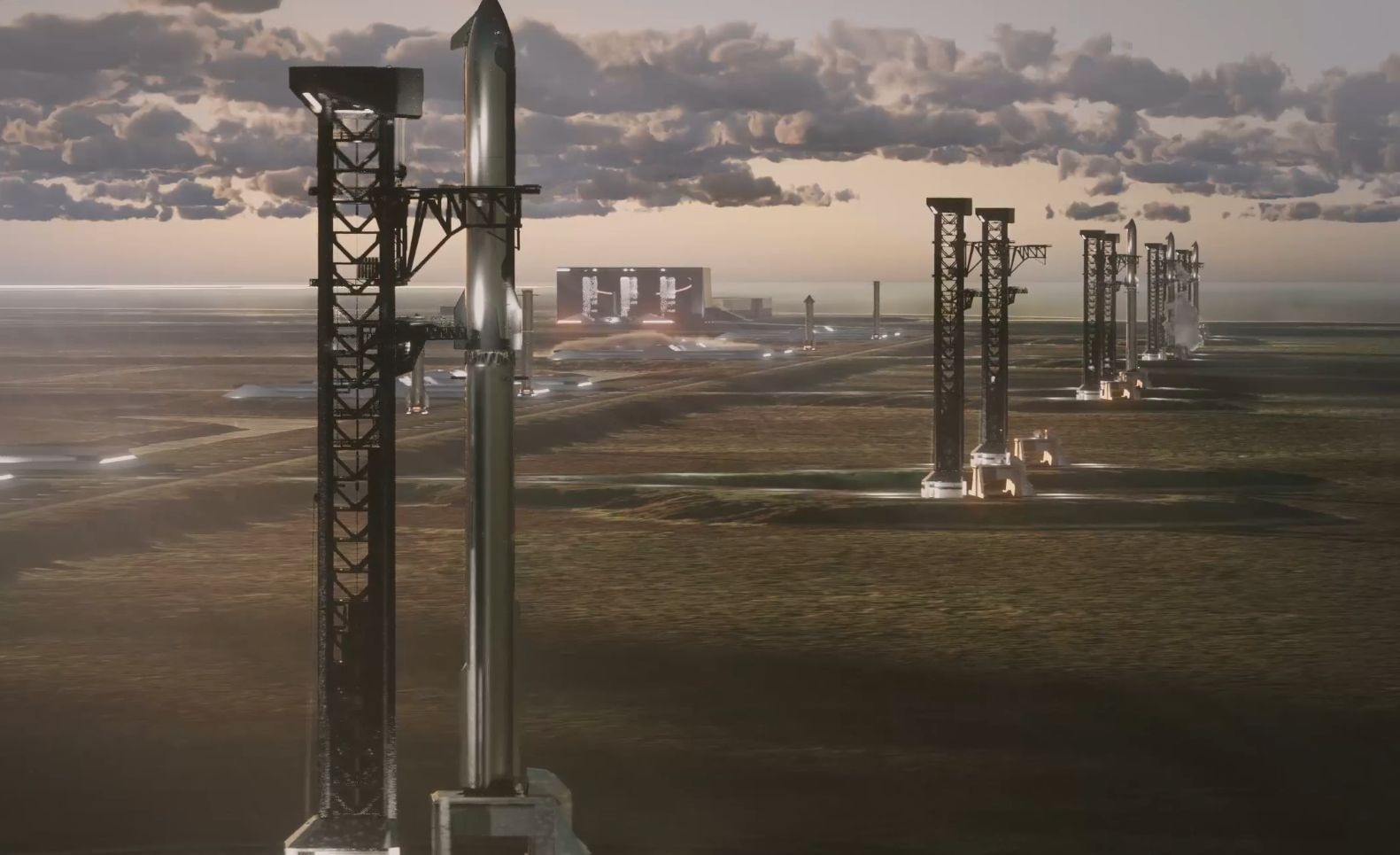
The regulatory proposal comes as SpaceX accelerates its expansion plans. On August 25, the company announced a $100 billion investment to build a massive launch complex in Vermilion Parish, Louisiana — a coastal marsh more than eight times the size of Manhattan. Ars Technica reported that the “Starbase Louisiana” facility would encompass approximately 125,000 acres and support thousands of launches annually, with construction beginning in 2027 and the first launch targeted for 2029.
Gwynne Shotwell, SpaceX’s president and COO, described the project as “a project like no other,” promising at least 3,000 direct jobs. The site, located near Pecan Island, sits in one of the most productive wildlife habitats in the United States and is highly susceptible to coastal erosion and hurricanes.
Environmental groups in Louisiana have voiced strong opposition to the timing of the FAA proposal. The Daily Advertiser reported that the Louisiana Wildlife Federation, National Wildlife Federation, and Pontchartrain Conservancy filed comments opposing the rule changes.
“Pecan Island is a celebrated piece of Louisiana’s ‘Sportsman’s Paradise,’ one of the most productive wildlife habitats in the United States and is incredibly susceptible to coastal erosion and hurricanes,” said Rebecca Triche, executive director of the Louisiana Wildlife Federation. “The environmental reviews outlined in those 13 statutes matter even more in a place like this.”
Amanda Moore, senior director of the National Wildlife Federation’s Gulf program, noted that the area is home to whooping cranes and waterfowl and is already losing land to the Gulf. “We need to fully understand the impacts on these waters, our wildlife and our way of life,” she said.
Legal Questions and What’s Next
The proposal raises significant legal questions about whether the FAA can waive independent obligations administered by other federal agencies. The FAA cites authority under 51 U.S.C. 50905(b)(2)(C), which allows the Transportation Secretary to waive federal legal requirements when they are not necessary to protect public health and safety, property, national security, or US foreign policy interests. The agency also references the Supreme Court’s 2025 decision in Seven County Infrastructure Coalition v. Eagle County, which limited the scope of environmental review under NEPA.
AeroTime noted that the proposed rule would not eliminate every environmental review — commercial operators using federal property may still require approvals from the agency that controls the land. However, critics argue that waiving the FAA’s own review obligations would remove a critical layer of oversight and public participation.
CNBC reported that SpaceX has faced previous environmental scrutiny, including a $150,000 fine in 2024 for Clean Water Act violations at its Texas launch facility and community backlash over its Starbase operations in Boca Chica. The company is also seeking a land swap with the U.S. Fish and Wildlife Service in Texas, which environmental groups have challenged in court.
The FAA must now review the record before deciding whether to issue, revise, narrow, or withdraw the proposal. Legal challenges are widely anticipated regardless of the outcome. The final rule could remain broad, become limited to defined circumstances, or adopt a screening system that preserves environmental review where material changes are present.
As the commercial space industry continues its rapid expansion, the debate over how to balance innovation with environmental stewardship is likely to intensify. For communities near current and future launch sites — from Florida’s Space Coast to the Louisiana marshlands — the outcome of this regulatory battle will shape both the future of American spaceflight and the protection of some of the nation’s most sensitive ecosystems.