San Diego Mosque Gunman’s Parents Sue Mental Health Facility Over Ignored FBI Warning
The parents of Caleb Vazquez, one of two teenagers who carried out a deadly mass shooting at the Islamic Center of San Diego in May, have filed a wrongful death and negligence lawsuit against the mental health facility where their son was receiving treatment, alleging the facility failed to act on an FBI warning that he posed an imminent threat.
The lawsuit, filed Aug. 31 in San Diego Superior Court by Vazquez’s mother, Liliana Vazquez, alleges that Park Mental Health Treatment of San Diego ignored multiple red flags in the days before the May 18 attack, which left three people dead and injured a fourth. According to AP News, the FBI called Vazquez’s mother on the evening of May 14, warning that her 18-year-old son was making concerning comments about school shootings and suicide on the dark web.
“This was preventable. This should have never occurred,” said Norm Finkelstein, the attorney representing the Vazquez family, in comments reported by KPBS.
A Trail of Warnings
According to the lawsuit, Vazquez’s mother immediately left a message with the treatment facility to notify its staff of the FBI’s concerns. She again shared the warnings with her son’s therapist on May 15 and with a program director later that night.
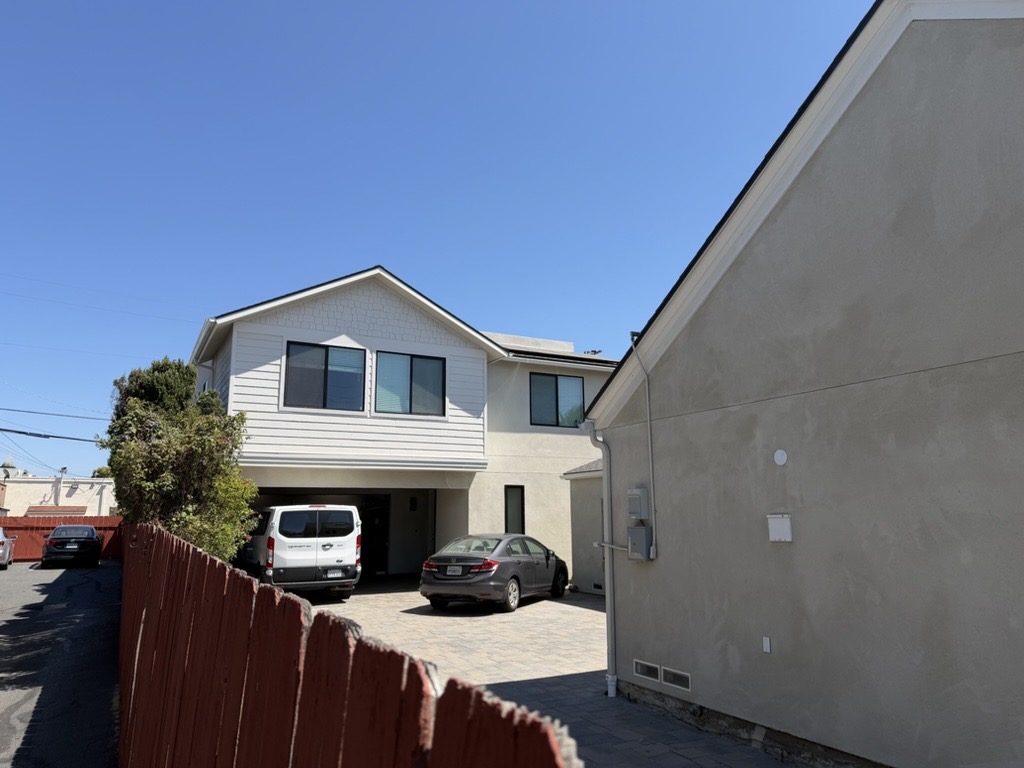
Vazquez was living at a Park Mental Health residential facility in Normal Heights, where he was being treated for autism, obsessive-compulsive disorder, body dysmorphia, social anxiety, and severe depression with psychotic episodes, according to court documents. He had been admitted to the facility on approximately April 28.
The FBI’s contact was not the first sign of Vazquez’s deteriorating mental state. Almost exactly a year before the shooting, Vazquez was flagged to law enforcement for exhibiting alarming behavior and idolizing Nazis. Police confiscated 26 guns from his father under a 2014 California law allowing firearms to be taken from people considered dangerous, as AP News previously reported. In January 2026, Vazquez was hospitalized for roughly three days after telling a classmate that he wanted to carry out a school shooting.
The Night Before the Attack
Surveillance footage showed Vazquez leaving the Park Mental Health facility property at approximately 8:24 p.m. on May 17, the night before the shooting. The Times of San Diego first reported that Vazquez was seen pacing back and forth inside the home while on the phone before walking off the property.
The next morning, facility staff contacted Vazquez’s mother to ask where her son was. According to text messages cited in the lawsuit, Liliana Vazquez responded, “Are you saying that he’s missing?” The program director replied, “Yes.”
Vazquez’s parents rushed to the facility and were shown surveillance footage of their son leaving the night before. After attempting unsuccessfully to speak with the program director, they were told to file a missing persons report. They left the facility around 11:45 a.m., unaware that their son was at that moment carrying out an attack across town.
The Shooting
At approximately 11:42 a.m. on May 18, Vazquez and 17-year-old Cain Clark opened fire at the Islamic Center of San Diego, the largest mosque in San Diego County. Security guard Amin Abdullah, 51, engaged the shooters, exchanging gunfire and initiating a lockdown that helped protect approximately 140 children inside the adjacent Bright Horizon Academy. Abdullah was killed in the attack, along with Nadir Awad, 57, a neighbor who lived across the street, and Mansour Kaziha, 78, a caretaker who had worked at the mosque since it was built in the 1980s.
Both shooters were found dead in a BMW approximately 0.3 miles from the mosque. One had shot the other twice in the head before killing himself. Authorities said the gunmen had planned to next target a nearby synagogue and Black students at a local high school.
Facility Disputes Claims
Park Mental Health has disputed the allegations in the lawsuit. Attorney Chris Saldana, representing the facility, said the lawsuit is “riddled with factual errors” and that Park is an outpatient treatment center that does not hold people in locked rooms.
“It’s not a prison,” Saldana told USA Today. “It cannot lock people up and doesn’t.”
In a statement to KPBS, Park Mental Health said: “While it is understandable that his parents might seek to blame someone in their time of loss, this lawsuit is misguided in that neither Park nor its employees are responsible for Mr. Vazquez’s actions. Only he and his coconspirator bear responsibility for their conduct and, ultimately, his death.”
Finkelstein countered that Vazquez had previously been held at a more secure facility before being transferred to Park Mental Health. “Earlier, he was at a different facility where he was under lock and key,” Finkelstein said. “Then they transferred him to this facility, where he wasn’t. He had a curfew, but they did nothing to enforce that.”
Broader Accountability
The lawsuit was filed on the same day that North Carolina authorities announced the indictment of a 17-year-old girl in connection with the shooting. Sarah Lindsey Santiago of Winston-Salem was charged with three counts of first-degree murder and one count of conspiracy for allegedly recording the attack’s livestream, distributing it, and publishing the attackers’ manifesto, as AP News reported.
The case raises broader questions about communication between federal agencies and mental health providers in preventing violent incidents. An FBI spokesperson declined to comment on the lawsuit, citing agency policy.
The Vazquez family has acknowledged their son’s radicalization while emphasizing their efforts to help him. “Coming from a diverse family that not only includes immigrants but Muslims as well, we always taught the importance of acceptance, compassion, and love for one another,” the family said in a statement. They attributed his descent into radicalized ideologies to “exposure to hateful rhetoric, extremist content, and propaganda spread across parts of the internet.”
What’s Next
The lawsuit now moves through the California court system, where both sides will present evidence about what the facility knew and when. The case could set important precedents about the duty of care owed by mental health facilities to both their patients and the broader public.
For the San Diego Muslim community, the legal proceedings are part of a longer reckoning. Tazheen Nizam, executive director of the San Diego office of the Council on American-Islamic Relations, said the attack occurred amid record-high complaints of anti-Muslim bias nationwide. “We as a community need to invest in dismantling anti-Muslim hate,” Nizam said.
As the investigation continues and legal proceedings unfold, the central question remains whether stronger communication between federal agencies, mental health providers, and families could have prevented the tragedy that claimed three lives and devastated a community.