FAA Reviews Boeing 737 Max Software Glitch
The Federal Aviation Administration is reviewing a software glitch affecting some Boeing 737 Max jets that can cause an automated flight guidance system to disengage during an aborted landing, adding fresh scrutiny to the manufacturer’s best-selling aircraft family.
The issue surfaced in versions 14 and 14.1 of the operating system for the Max’s flight management computer (FMC). Under a specific sequence — a go-around from a precision approach with autopilot engaged, followed by pilot changes to a pre-programmed flight plan — the aircraft’s vertical navigation system, known as VNAV, can disconnect and transition to a less sophisticated level of automated pitch control.
“The FAA is aware of a potential issue in a software update for the flight computers on certain Boeing 737 MAX airplanes and is working closely with Boeing and the airlines,” the agency told CBS News. “The FAA will convene a Corrective Action Review Board (CARB) and will take immediate action if it identifies a safety concern.”
What the Glitch Does
According to Air Data News, the problem arises when pilots perform a go-around from a precision approach with the autopilot engaged and then modify the route programmed into the flight management system. VNAV can then disconnect, leaving the aircraft with a simpler form of automated pitch control. If the glitch occurs, pilots must take additional steps during their subsequent approach — a scenario that typically unfolds in low-altitude, airport-adjacent airspace where workload is already high.
“How busy do you want your crew to be?” one airline source told CBS News. “Are you introducing distractions at the worst possible moment?”
Boeing said the condition is manageable under existing procedures. Even if VNAV disengages, the autopilot continues to function, and all pilots are trained to land safely without the system. “We shared information with operators that reinforced existing pilot procedures for safely handling such cases,” a Boeing spokesperson said. “Our engineers are working on a software update to permanently address the issue.”
The company added that it is “working directly with airlines to formalize a procedure that will allow pilots to reenable automated vertical navigation should this situation occur.”
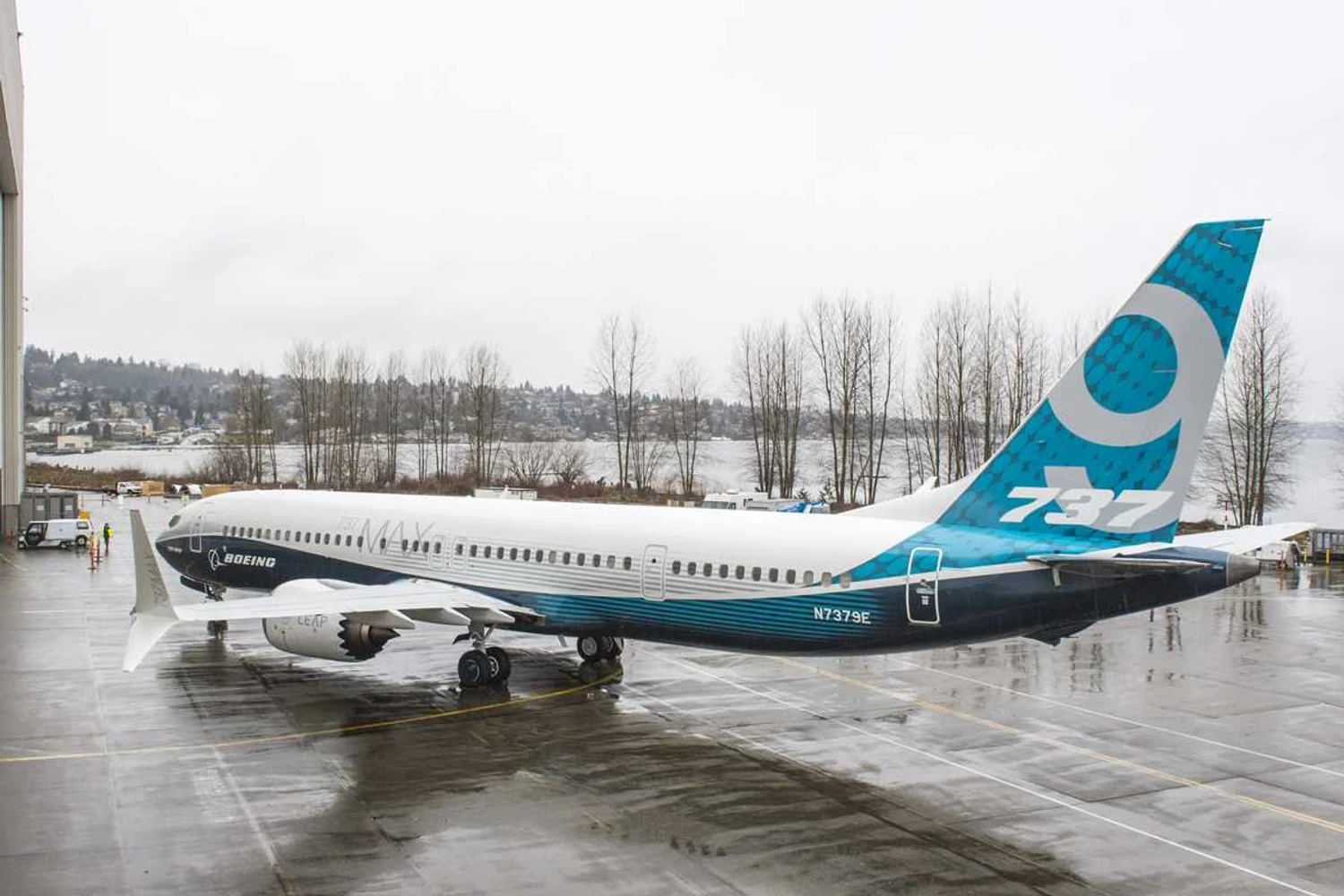
Airlines Push Back
Boeing told operators in a bulletin issued in late August that the glitch did not pose an immediate safety concern. But several major U.S. carriers have taken a cautious stance shaped by past groundings and delays.
Southwest Airlines and United Airlines told Boeing they will not accept delivery of new aircraft equipped with the affected operating system, opting instead for a previous version. “None of our fleet is equipped with Version U.14, including new deliveries of Max 8 airplanes,” Southwest said. United said it is likewise not taking deliveries with the new software. Alaska Airlines, American Airlines, Southwest and United all told CBS News that none of their in-service 737 Max fleets use the software version in question.
The number of Max aircraft worldwide currently using the affected software has not been disclosed, because operators can update the flight management computer without reporting each installation to Boeing. CNBC reported that there are 2,430 Max aircraft in service globally, according to the aviation data firm Cirium.
A Pattern of Scrutiny
The review lands against a difficult backdrop for Boeing. The Max was involved in two fatal crashes in 2018 and 2019 that killed 346 people and were linked to defective flight-control software, leading to a worldwide grounding of the Max 8. In January 2024, a mid-flight door panel blowout on an Alaska Airlines Max 9 was blamed on manufacturing mistakes. The Max is described as a cash cow for Boeing and is vital to its turnaround efforts.
The timeline of the current issue has drawn attention. Boeing was first informed of the problem by an airline in November 2024, reviewed it, and determined in February 2025 that it was not a safety issue. After receiving what a source described as “additional information from operators” earlier this year, Boeing launched a formal safety review board whose findings were sent to the FAA in September.
Boeing’s initial bulletin told airlines a software fix would be ready sometime in 2028, with updated pilot procedure guidance planned for November 2026. The company is now working to accelerate both efforts.
Certification at Stake
The timing is particularly sensitive for Boeing’s two newest variants. The FAA certified the 737 Max 7 on August 3, 2026, with software version 14 — one of the versions now under review. The larger Max 10 was using version 14.1 during its certification flight testing. Boeing CEO Kelly Ortberg said on September 16 that all Max 10 flight tests were complete and that the program was in the final documentation phase, with certification expected “very soon.”
Southwest is the dominant customer for the Max 7, with nearly the entire order book, and was set to begin receiving deliveries this fall. Alaska Airlines is the launch customer for the Max 10. The FAA has not said whether its software review will affect the Max 10 certification schedule, and it remains unclear whether the Max 7 can be delivered or flown with an older software version.
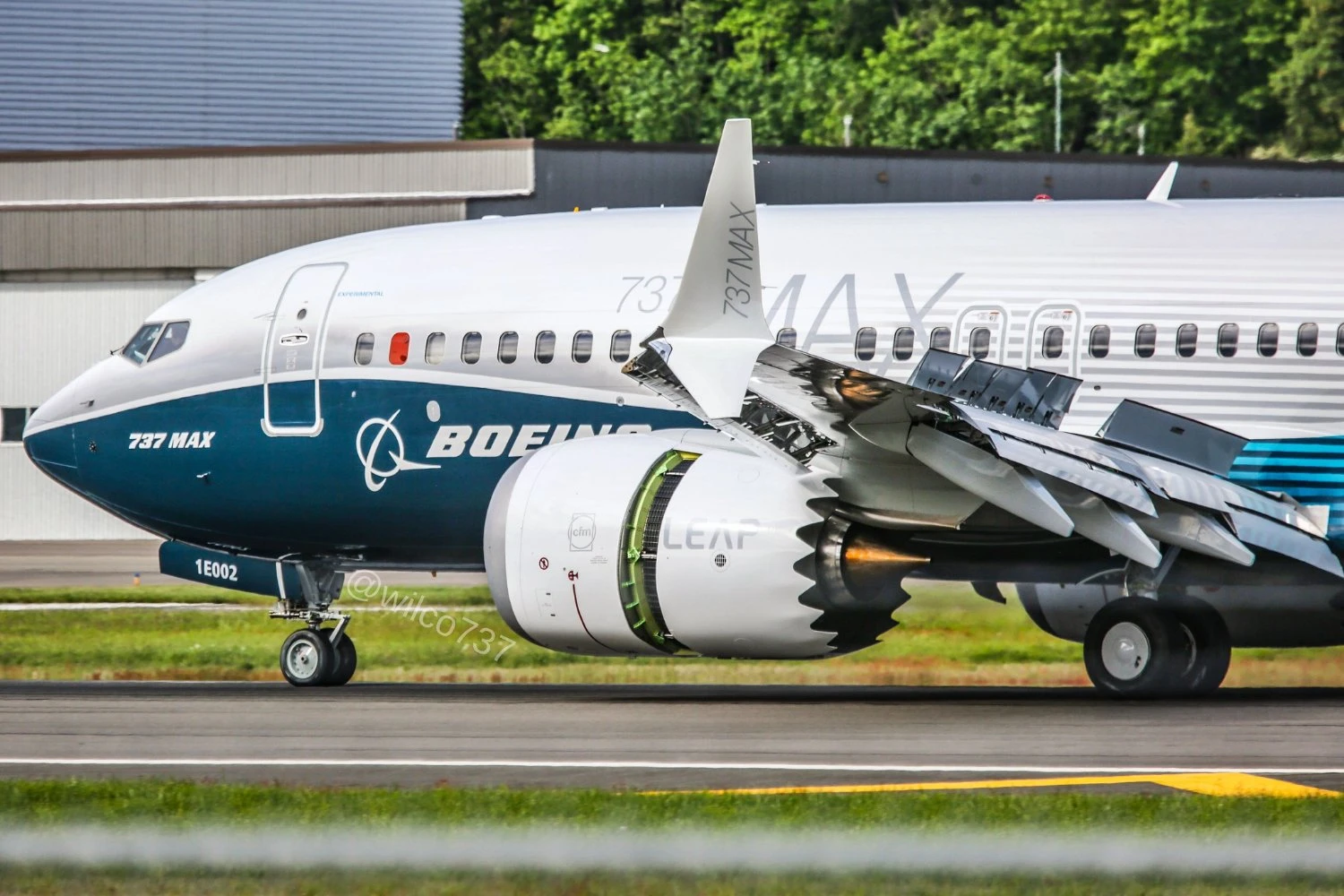
What to Watch
The Corrective Action Review Board’s conclusions — and their timing — will shape whether the glitch becomes a footnote or a fresh setback for Boeing’s certification and delivery plans. Key questions remain unanswered: how many aircraft globally carry the affected software, whether Southwest proceeds with Max 7 deliveries this fall, and whether the FAA’s review slows the Max 10’s long-delayed path to approval. For Boeing, already under intense regulatory scrutiny, how quickly it delivers a permanent software fix may matter as much as the fix itself.