Antwerp Cathedral Won’t Get a Second Tower After All
Antwerp’s Cathedral of Our Lady will not receive a luminous “second tower” after all. In a record-breaking participatory budget vote, 7,000 residents of the District of Antwerp opted to fund 42 other projects instead, passing over a proposal to recreate the landmark’s never-built second tower with light beams and drones, VRT NWS reported.
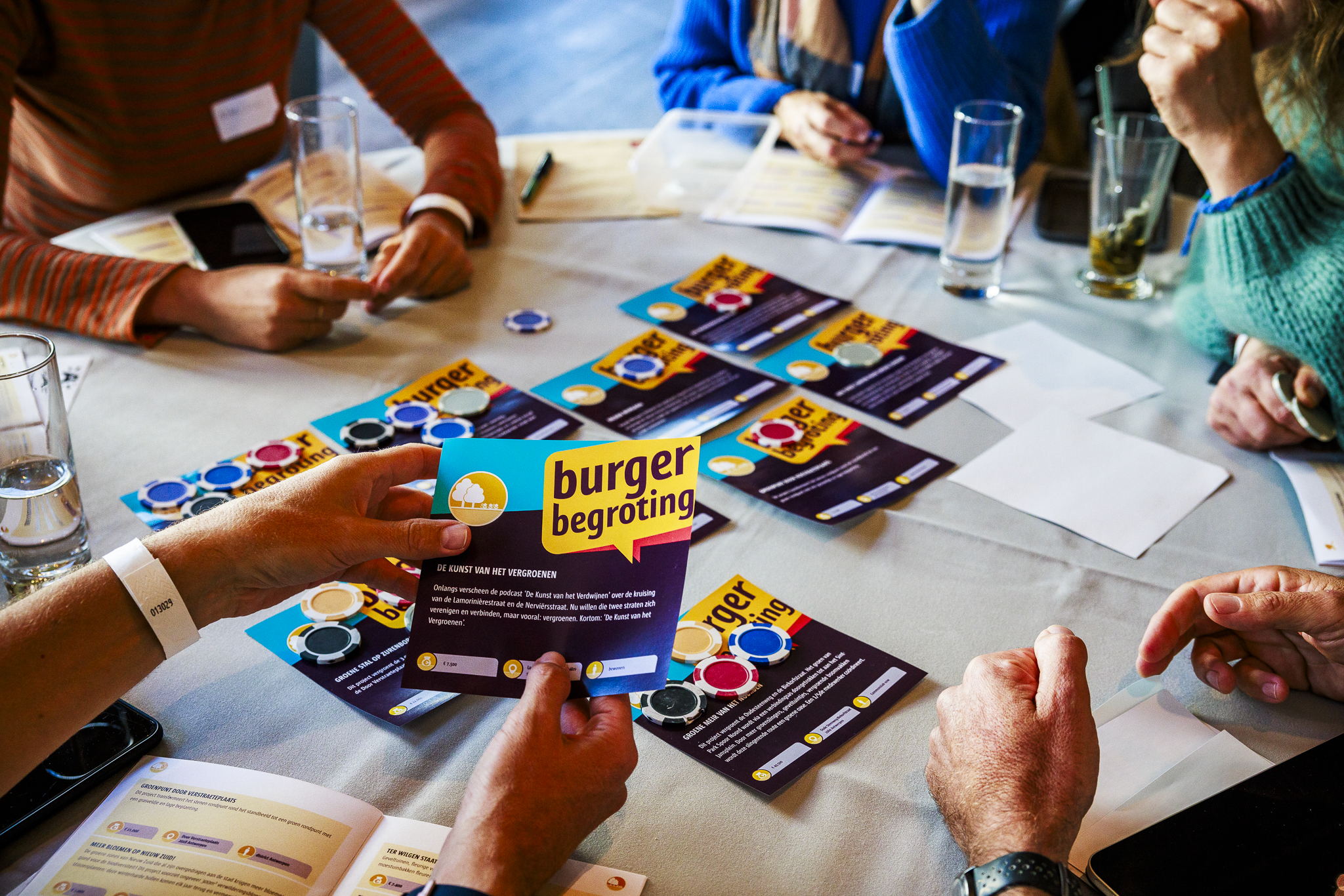
The decision marks the culmination of the 2026 edition of the Burgerbegroting — the district’s annual citizen-led budget — through which residents allocate EUR 2.2 million, roughly 10 percent of the district’s annual budget, to neighborhood initiatives. The cathedral idea was one of 95 proposals competing for support.
A Record Turnout
Turnout more than doubled compared with the previous year, when fewer than half as many Antwerp residents cast a ballot, VRT NWS reported. The district credited a redesigned online voting system: this year, ideas were presented in randomized order and voters could “swipe” through them much like a dating app.
The winning projects range from extra trees and greenery in several streets and neighborhoods to outdoor sports equipment in the Luchtbal district and chess tables in the city park. Other funded initiatives aim to bring people together and make organizations more accessible, with projects carried out by residents, associations, and the district itself.
The full list of selected projects is being published on the official Burgerbegroting site, which at the time of the vote still indicated the results would appear “binnenkort” — “soon.” Work on the chosen projects is set to begin from 1 January 2027.
The Second Tower That Never Was
The cathedral proposal came from Jan Yang Brummer, an Antwerp resident who arrived in the city as a student a decade ago. His idea was to recreate the cathedral’s never-completed second tower using drones for detailed renderings on special occasions and light spots forming a permanent, pyramid-shaped “light tower.” The district and specialists estimated the cost at EUR 100,000.
According to VRT NWS, the cathedral’s original plans by master builder Pieter Appelmans envisioned two towers, but only one was ever completed; the other remained a low stump. Brummer initially imagined finishing the tower with glass and diamonds, but pivoted to drones and light after being told that approach was unrealistic.
“500 years ago, Antwerp was the heart of the Western world and the cathedral was the symbol of it,” Brummer told VRT NWS. He framed the concept as a symbol of resilience: “If I have to believe the news and go by what I hear in the street, harder times may be coming,” he said. “I do believe it will get better afterwards, but meanwhile I think a literal and figurative light can give the people of Antwerp hope, pride and connection.”
A Cathedral With a Complicated History
The cathedral’s history is more fraught than its postcard image suggests. As VRT NWS detailed, the church was elevated to cathedral status in 1559 amid considerable resistance from both the city government and the clergy — over supervision, prestige, and money. Antwerp’s Gothic church dates to the mid-14th century, and residents were reportedly content with it as it stood.
The building later lost its cathedral status around 1803, when the episcopal seat moved to Mechelen under French rule, and only regained it in 1961. That turbulent past offers a counterpoint to the assumption that a second tower would simply restore a glorious original design.
A Participatory Model That Draws Attention
The Burgerbegroting has run since 2014 and is one of Belgium’s oldest and largest citizen budgeting processes. According to the City of Antwerp, residents decide over 10 percent of the district budget, now EUR 2.2 million, and the model’s scale and method are “unique in Belgium and far beyond” — drawing regular visitors from other cities and countries eager to learn from it.
In 2026, the district introduced a reformed “Burgerbegroting 2.0.” A district press release said 102 ideas emerged from the preselections, with 290 participants taking part across 11 sessions. Under the new format, residents chose 8 themes from 24 and allocated budget to them before individual ideas advanced.
District alderman for Participation and Burgerbegroting Vincent Gysels (CD&V) hailed the record turnout. “The Burgerbegroting is alive as never before in our district,” he said. “The record number of participants proves that the reform has worked.” He added that the process produced broader insight: “With more than 7,000 involved residents we get a razor-sharp picture of the needs and priorities in our neighborhoods, such as the strong demand for greenery in the streets, investments in community centers and a varied cultural offering.”
What the Vote Signals
The outcome is a snapshot of what a city actually wants when it is asked to choose. Faced with the choice between a dramatic, symbolic gesture and a spread of modest, practical improvements — trees, chess tables, sports equipment, community spaces — Antwerp residents leaned heavily toward the tangible.
That does not make the cathedral proposal frivolous. Brummer’s idea tapped into a genuine piece of Antwerp identity, and the historical record shows the second tower was once a real ambition. But participatory budgeting tends to reward projects that residents can see and use in their own neighborhoods, and the record turnout suggests the process is engaging a wider slice of the district than ever before.
Several questions remain. The exact vote tallies — including how many ballots the cathedral idea received — have not been disclosed in available sources, and the full list of the 42 winning projects was still pending publication. What is clear is that the district’s experiment in direct democracy has grown both in scale and in appetite for participation.
For now, Antwerp’s skyline will stay as it has been for centuries: one tower, and one stump that will have to wait a little longer for its light.