Trump Administration Weakens Fuel Efficiency Rules
The Trump administration finalized a rule on Monday that sharply weakens federal fuel economy standards for new passenger cars and light trucks, rolling back requirements that automakers improve gas mileage and reversing a key pillar of Biden-era climate policy.
The rule, officially titled the Safer Affordable Fuel Efficient Vehicles Rule III, sets a fleetwide target of roughly 34.9 miles per gallon by model year 2031 — an effective return to levels last seen around 2014. That is far below the Biden-era goal of about 50.4 miles per gallon by 2031, as NPR reported. Automakers had already reached roughly the new target in 2024, meaning most would need to make few, if any, further fuel-economy improvements over the next five years.
A Rollback Rooted in Affordability Claims
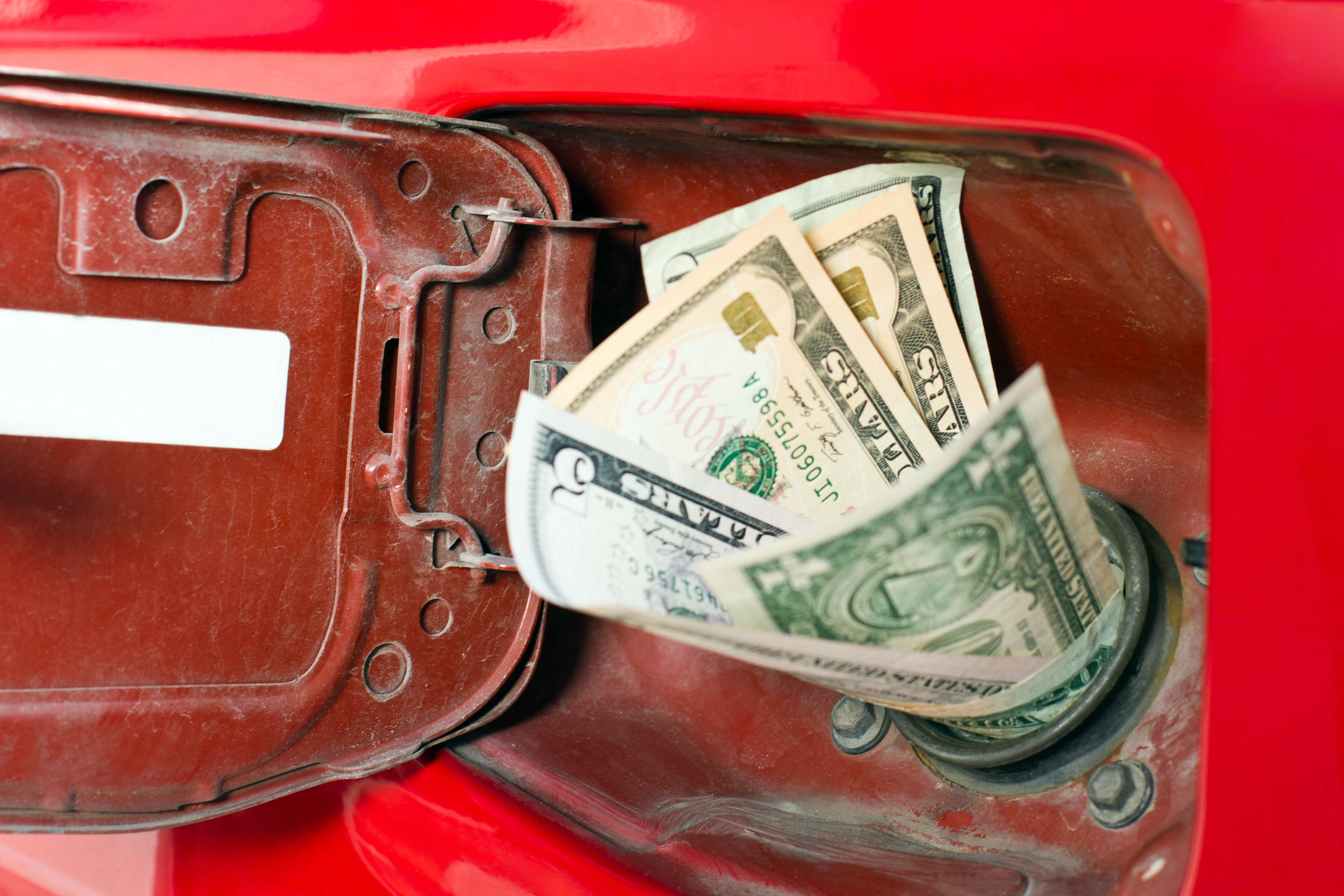
The administration frames the change as relief for consumers squeezed by high vehicle prices. Officials estimate the rule will shave about $1,300 off the sticker price of a new car, and the Department of Transportation claims it could prevent more than 300,000 serious injuries by encouraging sales of newer, safer vehicles.
“This administration is delivering relief to families and reviving the beating heart of American manufacturing,” Transportation Secretary Sean Duffy said in a statement. President Trump, writing on Truth Social over the weekend, said the new standards would “take the waste out of building cars in America” and save families “thousands on a new, beautiful, and safe car.”
Automakers largely welcomed the move. John Bozzella, president and CEO of the Alliance for Automotive Innovation, a trade group representing Ford, General Motors and Stellantis, said the agency “made the right call to better align fuel economy standards with the law and current market conditions,” calling the rule “an appropriate course correction.” Stellantis said the standards would give customers “the freedom to choose from a range of vehicles and powertrains that meet their needs.”
Structural Changes Beyond the Target
According to Ars Technica, the new rule makes several structural changes that reach beyond the headline mileage figure. It ends the generation of new compliance credits beginning in model year 2028, dismantling a trading system that had allowed automakers exceeding standards — such as Tesla — to sell credits to those that fell short. Credit trading had effectively already halted after Congress zeroed out CAFE fines in July 2025.
Plug-in hybrids and electric vehicles will no longer count toward an automaker’s fleet average, and the agency no longer assumes any adoption of non-gasoline powertrains when setting its targets. The rule also reclassifies many crossovers and SUVs currently treated as light trucks as passenger cars. Beginning in model year 2030, the fleet mix is projected to flip from roughly 70% light trucks and 30% cars to about 70% cars and 30% light trucks. New 2030 sub-targets set a higher bar for cars (40.2 mpg) than for trucks (26.4 mpg).
The Affordability Debate
Whether the rollback will actually make cars cheaper is contested. USA Today reported that a fuller NHTSA analysis suggests a net benefit of only $289 per vehicle once the cost of additional fueling is counted — far less than the $1,300 figure highlighted by the department. The average price of a new vehicle on the morning the rule was finalized was about $52,750, up roughly $2,750 from a year earlier, according to USA Today.
Critics argue fuel economy standards play only a minor role in sticker prices. Sue Helper, an economist at Case Western Reserve University who studies the auto industry, told NPR that rising prices stem largely from vehicles growing larger, tariffs, supply chain disruptions and features like infotainment systems. A 2023 Consumer Reports analysis likewise attributed price increases to an industrywide shift toward expensive SUVs rather than fuel-efficiency technology.
“One of the cruxes of vehicle affordability right now is the average monthly payment getting jacked up, because interest rates are so high,” said Ellen Hughes-Cromwick, a former Ford chief global economist now at the Third Way think tank.
Higher Costs at the Pump
The rollback arrives as Americans face unusually high fuel prices. The national average for gasoline hovered near $4.50 a gallon, with diesel close to $6.50, according to figures cited by NPR. The elevated prices reflect the U.S. war with Iran, which has driven up oil costs.
“With Americans struggling to afford gasoline that is more than $4 a gallon, the Trump administration is going to force them to pay more at the pump,” said Kathy Harris, director of clean vehicles at the Natural Resources Defense Council. “Oil companies will get a windfall from gutting the fuel economy standards, but the rest of us are going to be handing over more of our hard-earned paychecks to fill up the tank.”
Dan Becker, director of the Safe Climate Transport Campaign at the Center for Biological Diversity, said the rollback would increase gasoline usage and pollution, “costing consumers at the pump and at the doctor’s office.”
A Competitive Risk Abroad
Beyond the domestic debate, experts warn the rule could undercut the long-term competitiveness of American automakers in a global market racing toward electrification. “It’s very bad in the long term, because it slows progress,” Helper said. “Then we make our auto companies less competitive. We give them less practice in making the cars that both Americans will want in the future and that the rest of the world will want.”
Hughes-Cromwick echoed that concern, pointing to China’s powerful electric vehicle industry. “The future of the industry is all about the transition to electric vehicles,” she said. “The rest of the world is marching on in this transition to EVs.”
Albert Gore, executive director of the Zero Emission Transportation Association, noted that global electric vehicle sales are on pace to account for 29% of all new vehicles sold this year. “Now is not the time to lower the bar,” he said.
Rep. Debbie Dingell (D-Mich.) said the rule “risks putting the American automotive industry at a competitive disadvantage while the rest of the world races ahead,” adding that “the global market wants electric vehicles, and we cannot afford to fall behind.”
Part of a Broader Deregulatory Push
The CAFE rollback is the latest in a series of deregulatory moves affecting the auto industry since Trump returned to office in January 2025. The administration eliminated the federal EV tax credit, delayed the nationwide EV charging program, struck down California’s authority to set its own pollution rules and revoked the legal basis for EPA’s automotive greenhouse gas rules.
The rule is expected to face legal challenges, and a future administration could reverse it. That uncertainty may discourage automakers from retooling their fleets quickly, since vehicle and factory decisions are made years in advance. For now, the clearest immediate effect is that the pressure on carmakers to improve gas mileage — a cornerstone of U.S. energy policy for five decades — has been substantially relaxed.