Trump Says Iran War Will End ‘Very Soon’
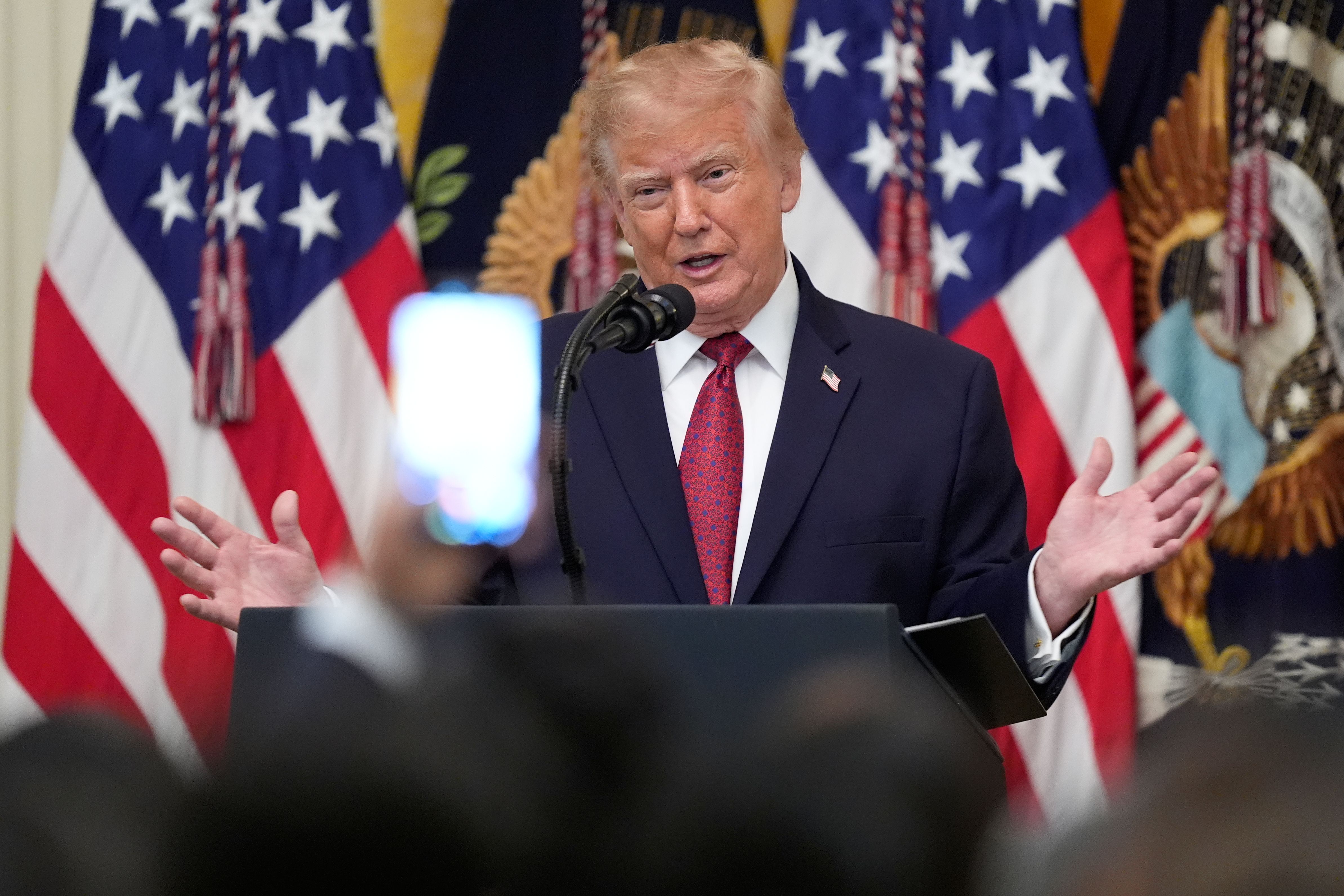
U.S. President Donald Trump said on October 2 that the war with Iran will “end very soon” and that “Iran will never have nuclear weapons,” according to Chinese state media Xinhua. The remark points to a possible de-escalation in a conflict that began on February 28, 2026 — but it sits uneasily alongside the president’s simultaneous warnings that he may intensify strikes on Iran after the November U.S. midterm elections.
A War Far Longer Than Predicted
The conflict began on February 28, when the United States and Israel launched military operations against Iran; Iran retaliated against U.S. and Israeli bases across the Middle East. The parties reached a temporary ceasefire on April 8, and on June 18 Washington and Tehran announced the remote signing of a memorandum of understanding. Yet mutual strikes never stopped, and navigation through the Strait of Hormuz — the world’s most important oil chokepoint — has remained blocked, as Xinhua reported.
The war has now run far past the “four to five weeks” Trump predicted at its outset, and the gap between the administration’s optimistic rhetoric and battlefield reality has become a defining feature of the conflict.
A Diplomatic Opening, Then a Rejection
The most recent diplomatic push came on September 25, when Iranian Foreign Minister Abbas Araghchi, speaking at a press conference at UN Headquarters in New York, announced that Iran had conveyed via Qatar a plan to reopen the Strait of Hormuz within seven days. Under the proposal, the clock would start once the U.S. accepted; Washington would have roughly four to five days to carry out the required steps, after which the strait could reopen and the two sides could begin talks on a final agreement.
Araghchi framed the demand as a test of American sincerity rather than a new condition. The steps sought, he said, were “not new conditions” but commitments the U.S. had already made in the June memorandum. “Now is the time for the United States to make a choice,” he said, adding that Iran “does not accept coercion, threats, or intimidation, and will not surrender its sovereignty under pressure.”
Iranian President Masoud Pezeshkian struck a similar note at the UN, saying Iran was “ready for dialogue, diplomacy and negotiation, not accepting the language of force.”
Trump rejected the offer the following day, saying the U.S. fully controlled the strait, and later called the proposal “not good enough.” Even so, he said on September 27 that he expected talks to restart within a week — a signal that, despite the public sparring, both sides have kept open a channel via mediators.
Trump’s Two Tracks
The tensions in Trump’s messaging are not incidental. In an interview with TIME magazine published on October 1, the president was asked whether he planned to increase bombing of Iran after the midterms. “It’s possible,” he replied, refusing to detail his plans but insisting the U.S. is in “good shape” on ammunition for further military action, as VOA reported.
Asked how he would reach a deal with a government he calls “crazy,” Trump answered: “Maybe you can blow them up. … We have to make a decision — either blow them up or make a deal — but the time has come. Either way, it will all be over soon.” He reiterated his threat to “eliminate” Iran, and when pressed on how that squared with his self-description as a “president of peace,” he said: “Because by eliminating Iran, we bring peace to the world. I think with Iran, there can never be peace.”
Earlier, at the UN General Assembly, Trump told world leaders that Iran was counting on the midterm results, while insisting the outcome would not change his own decisions. He has framed the choice as a “big decision” between allowing Iran to rebuild through a deal or moving to “quickly eliminate” the Islamic Republic, as dotdotnews reported.
The pattern — threats of escalation one day, expressions of confidence that the war will end the next — has recurred since the spring, leaving open the question of whether the October 2 remark signals a genuine shift toward de-escalation or merely another swing in the rhetorical cycle.
A Third Carrier on the Way
While the president talked of ending the war, the Pentagon moved in the opposite direction. U.S. media reported on October 1 that the military is deploying additional forces to the Middle East, including the USS Roosevelt carrier strike group, several amphibious warfare ships, and thousands of Marines, according to a Xinhua military analysis.
With the USS Bush and USS Washington already in the region, Roosevelt’s arrival — expected by late October — could restore a three-carrier posture in the Middle East. Roosevelt departed its home port of San Diego quietly on September 27, without the traditional ceremonies, accompanied by the Makin Island Amphibious Ready Group: three ships carrying nearly 10,000 personnel, including more than 7,000 Navy sailors and about 2,000 Marines.
The U.S. Navy currently maintains roughly 20 warships in the Middle East enforcing a naval blockade of Iran, alongside the Boxer Amphibious Ready Group. Citing U.S. officials, the Washington Post put total U.S. forces in the region at about 50,000.
The buildup is consistent with three overlapping aims, analysts say: applying military pressure during negotiations, executing a planned rotation that could see Washington return to its base in Japan, and preserving the option of a large-scale strike. Three carrier strike groups field more than 150 aircraft and escort warships capable of saturation attacks, while a Marine group can seize and hold islands — capabilities that make the surge impossible to dismiss as routine.
Strain on the Force
The deployment also exposes a less-discussed cost. The USS Lincoln was reported to have suffered low morale from high-intensity operations against Iran and harsh living conditions, with multiple sailors experiencing mental breakdowns and attempting to jump overboard. Navy senior officers have said the Roosevelt will face similarly extended, non-standard deployment cycles. Analysts warn that as the deadlock persists, the Navy’s “double overdraft” of personnel and equipment will only worsen.
What to Watch
Three factors will determine whether Trump’s “very soon” proves prescient or merely aspirational: whether the indirect talks that he said would resume actually restart, whether Iran and the U.S. can find common ground on reopening the Strait of Hormuz, and whether the carrier buildup in the coming weeks becomes leverage for a deal — or preparation for a larger strike after the November midterms. For now, Washington is simultaneously signaling that it wants the war to end and positioning itself to escalate it.