Hungary Repeals Orban-Era Anti-LGBTQIA+ Media Law
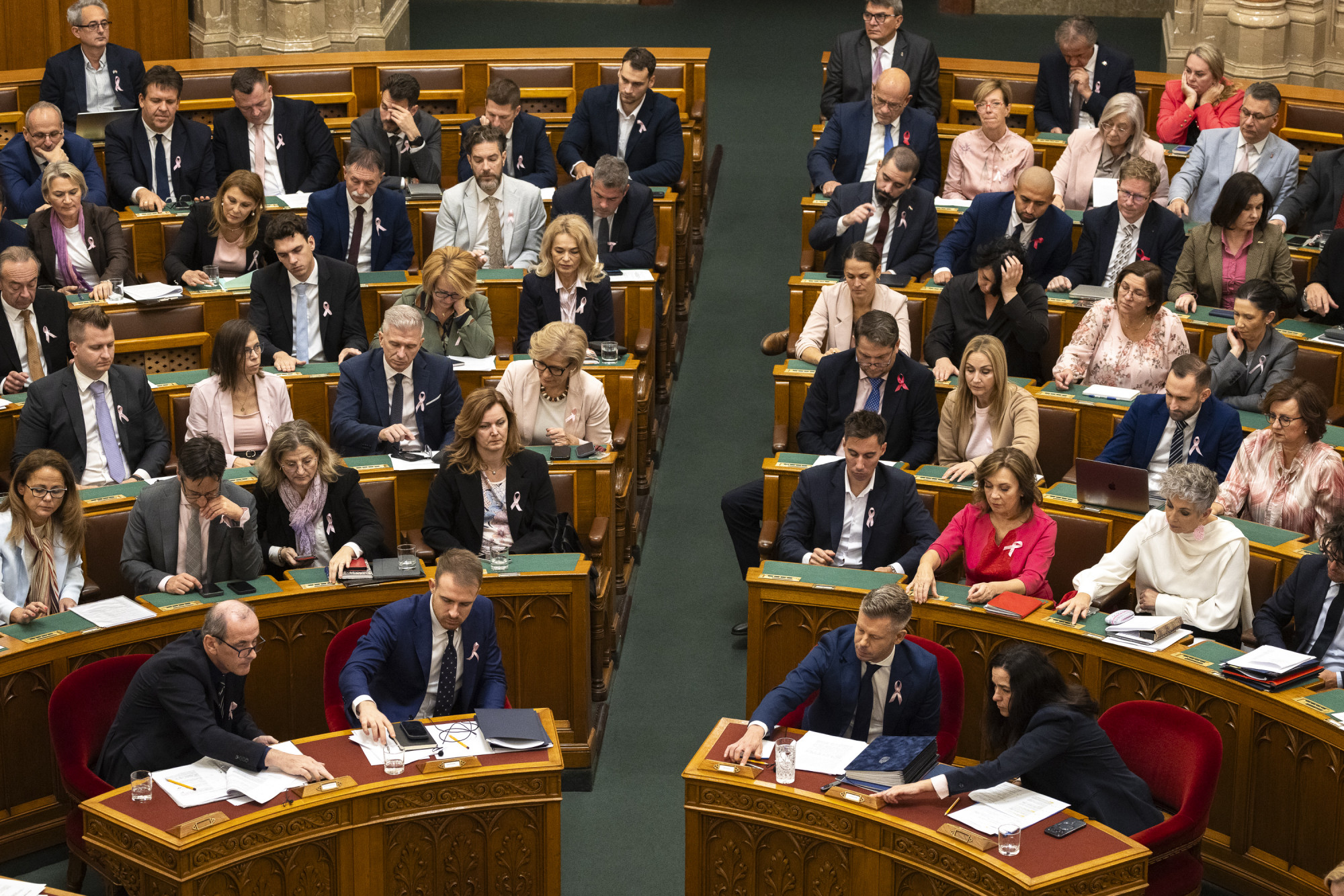
Hungary’s National Assembly voted on Tuesday to dismantle key provisions of a controversial 2021 child protection law championed by former prime minister Viktor Orban, lifting restrictions that had barred the depiction or “promotion” of homosexuality and gender transition in content accessible to minors. The measure passed by 139 votes to 51, according to VRT NWS, in the first major rollback of Orban-era restrictions on the LGBTQIA+ community since Prime Minister Peter Magyar took office in May.
The change means children can once again see same-sex couples depicted in films, television series and books. The restriction had covered child protection, media, advertising and education rules, forcing publishers and broadcasters to pull content featuring homosexuality.
A Reversal After 16 Years
During Orban’s 16 years in power, Hungary introduced a series of measures that activists and EU partners widely viewed as homophobic or transphobic, often framed under the banner of child protection. The 2021 law was ostensibly aimed at combating pedophilia, but in practice it targeted the LGBTQIA+ community by prohibiting the “promotion” of homosexuality and gender transition to minors. In 2025 the legislation was extended to allow Pride marches to be banned.
That policy drew sustained criticism from the European Union, which condemned the stigmatisation of LGBTQIA+ people and the law’s association of same-sex relationships with pedocriminality. The repeal arrives after the European Court of Justice ruled in April 2026 that the law violated EU law and the EU Charter of Fundamental Rights—the first time the court found a member state in breach of the bloc’s core values, as Euronews reported.
According to Euronews, the court held that the legislation “stigmatises and marginalises non-binary people, including transgender people,” and noted that its title linked them to people convicted of pedophilia—an association that increases stigmatisation and can prompt hostile behaviour. All 27 judges participated in the ruling, which ordered Hungary to repeal the law without delay. The court also found that the measures seriously infringed core rights, including protection against discrimination based on sex or sexual orientation, respect for private and family life, and freedom of expression and information.
Magyar, a conservative but markedly more pro-EU figure than his predecessor, had promised Hungarians he would roll back such policies. His Tisza party defeated Orban’s Fidesz in April 2026 parliamentary elections.
Government Frames Changes As Child Protection
The amendment was submitted by the government in September 2026 as part of a package of six law amendments. The government says the changes are intended to serve children’s healthy physical, intellectual, emotional and moral development, introducing stricter rules in both traditional and digital environments.
The government’s framing emphasises continued protection against pornographic and age-inappropriate sexual content, sexual exploitation and abuse, and sexual grooming. It also sets a new content standard for broadcasters’ age-rating decisions and tightens rules on public advertising deemed harmful to minors. Separately, the package accelerates procedures for children stranded in hospitals, requiring guardianship authorities to complete a full child-protection assessment within eight days.
Opposition Decries A “Gender Law”
The vote exposed a sharp domestic fault line. Fidesz and the far-right Mi Hazank voted against the measure. Magyar responded immediately on Facebook, writing that the two parties “voted together against the law strengthening the protection of children,” adding: “They voted down help for babies left in hospitals and the protection of children from all forms of violence. Shame!” The reaction was carried by outlets including 444.hu.
Fidesz framed the bill as “the Tisza child-protection-disguised gender law,” claiming it lets gender propaganda into schools at Brussels’ instruction and sides with pedophiles rather than parents. The party also argued the change makes the pedophile offender database inaccessible. KDNP, the junior opposition party, said the government conflates genuine child-protection steps with opening the door to gender ideology in schools and narrowing access to the pedophile registry.
As Vasarnap.hu reported, KDNP parliamentary group leader Retvari Bence had argued in a video that the government is implementing the ECJ’s gender ruling in exchange for EU funds and returning Hungary to pre-2010 conditions. Fidesz pointed to a 2022 child protection referendum in which, it says, 3.6 to 3.7 million Hungarians voted no on the underlying questions.
Civil Society Welcomes Step, Seeks More
Hungary’s leading LGBTQ+ civil-society bodies cautiously welcomed the move. The Hungarian LGBT Alliance and its member organisations said they support the adoption rule changes and the bill repealing several 2021 restrictions affecting LGBTQ+ people, but they expect further changes and substantive dialogue from decision-makers.
Tied To A Broader EU Reset
The repeal landed the same day the EU Council lifted the conditionality procedure against Hungary, unlocking EUR 4.2 billion (roughly 1,500 billion Hungarian forints) in cohesion funds. As 444.hu reported, the move followed a positive European Commission assessment of Hungary’s rule-of-law self-evaluation in September. European Commission President Ursula von der Leyen welcomed the decision, and the release also restores model-changing universities’ access to Erasmus+ and Horizon Europe funding.
The two developments together reflect a broader repair of EU-Hungary relations under Magyar’s government. The conditionality procedure had been in place since December 2022, when the Council suspended payments over public-procurement corruption and inadequate conflict-of-interest rules.
What To Watch
The repeal resolves Hungary’s most prominent conflict with Brussels over LGBTQIA+ rights, but the political battle at home is far from settled. Opposition parties have tied the change to EU funding leverage and the 2022 referendum, signalling that gender policy will remain a mobilising issue in Hungarian politics.
Several questions remain open: whether the government will pursue further legal changes sought by LGBTQ+ organisations, how broadcasters and publishers will adjust to the new standards, and whether the EU funding unlocked on Tuesday will be disbursed smoothly through reimbursement of completed projects. For now, the vote marks a decisive break from the Orban era—and a test of how far Hungary’s new leadership will carry its reset with Brussels and its own society.